How to Clean a Roof: Safe & Effective Methods
How to Clean a Roof (Safe & Effective Methods)
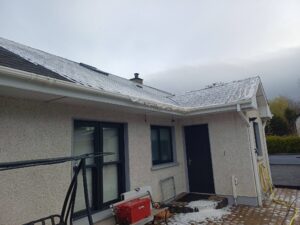
How to clean a roof properly is essential for maintaining your property and avoiding costly repairs. Using the right roof cleaning methods can save you thousands in premature replacement costs, while the wrong approach can cause serious damage to tiles or slates.
At PH Cleaners, we use safe and professional roof cleaning techniques that deliver long-lasting results while protecting your roof. Our process combines manual moss removal with a soft washing biocide treatment, instead of relying on aggressive pressure washing.
In this guide, we explain how to clean a roof safely and effectively, why pressure washing is sometimes not suitable, and how proper preparation and equipment help achieve results that last for years, not just months.
Manual Moss Removal (Scraping & Brushing)
Why Manual Removal Comes First
Manual scraping are the foundations of professional roof cleaning. PH Cleaners uses professional scraping tools and brushes designed for roof tiles and slates. This method removes about 80-90% of visible moss and prepares the surface for biocide treatment. Manual cleaning gives us full control over the process, unlike pressure washing. The roof surface remains undamaged and we can deliver a more controlled and detailed clean. The technique is safe for all roof types, from delicate clay tiles and slates to reliable concrete tiles.
Tools Needed for Moss Removal
We work with soft-bristle brushes attached to telescopic poles for gentle removal of surface-level moss. Plastic scrapers handle thicker accumulations without scratching tiles. Metal tools scratch and break tiles, so we avoid them. Our team wears proper protective gear that includes gloves, safety goggles and non-slip footwear. Buckets and tarpaulins collect debris during the process and prevent moss from clogging gutters or littering your property.
How to Scrape Moss Safely
We approach moss removal with care and precision. Each tile receives gentle attention that ensures the majority of moss lifts from the surface without damaging the roofing material. We work across each section and maintain steady pressure that removes growth without compromising the tile’s integrity. Protective equipment keeps our team safe and allows access to all roof areas.
Working from Top to Bottom
We start at the ridge and work downwards to prevent lifting tiles during the cleaning process. Brushing moss off in a downward motion follows the roof’s natural slope and avoids any upward pressure that could dislodge or crack tiles. This top-to-bottom approach ensures debris falls away from the roof rather than becoming trapped between tiles.
Clearing Gutters and Valleys
Moss accumulation in gutters causes blockages that lead to water overflow into areas where it damages fascia, gutter fixings and rafter tails. We clear all gutters of loose debris once we complete the roof scraping. This step is critical because the large percentage of moss that ends up in gutters during removal can create serious drainage problems if left unaddressed.
Soft Washing with Biocide Treatment
What Is Soft Washing?
Soft washing represents the second essential phase of professional roof cleaning. Manual removal handles the bulk of visible growth, but soft washing addresses what scraping cannot reach—microscopic spores, root systems and biofilm embedded within the porous surface of tiles. PH Cleaners applies specialised biocide solutions at low pressure (150-400 PSI), which is gentler than water from a standard garden hose. This non-aggressive approach eliminates organic contaminants without stripping protective coatings, dislodging granules or forcing water beneath tiles. The treatment penetrates deep into roofing materials and kills growth at the cellular level. It remains safe for all roof types, including delicate natural slates and painted surfaces.
Choosing the Right Biocide Solution
We use biodegradable, eco-friendly biocide formulations that break down without harming surrounding vegetation or water sources. These professional-grade chemicals are not cheap, yet their effectiveness justifies the investment. Dilution rates vary based on roofing material: concrete and clay tiles require a 1:20 ratio, and natural slates also use 1:20. Application coverage is different so—concrete tiles need about 0.8 litres per square metre, clay tiles 0.5 litres per square metre and natural slates 0.33 litres per square metre. Five litres of concentrate covers 120 square metres on concrete, 200 square metres on clay and 300 square metres on natural slate.
Application Method and Coverage
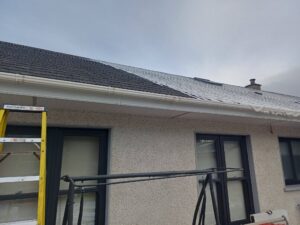
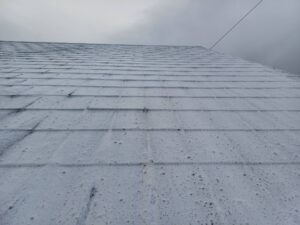
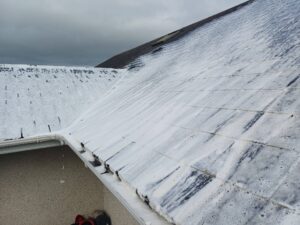
We apply the biocide solution across the roof surface using low-pressure spray equipment and work from the ridge downwards to prevent streaking. The solution must be applied to a completely dry substrate—never on wet tiles. This allows proper penetration and saturation of the roofing material. The treatment works biologically rather than mechanically, so even coverage will give every section adequate protection against regrowth.
Waiting Time for Treatment to Work
The biocide requires an original dwell time of 10-20 minutes to penetrate the surface. First effects appear within 24 hours to 14 days. Algae cell walls open and red-brown pigmentation bleeds out, which confirms the treatment is working. Complete cleansing continues over several months as natural rainfall rinses away dead material. This gradual process protects your roof for 3-5 years in typical conditions and up to 5-10 years with optimal maintenance. It reduces the need for frequent intervention by a lot.
Safe Access and Preparation
Scaffolding vs Cherry Picker: Which to Use
Safety and quality remain paramount to us. That’s why we work exclusively with proper access equipment rather than relying on ladders. Scaffolding suits long-term projects and provides stable platforms with guardrails. Our team can transport equipment and access hard-to-reach areas safely. Cherry pickers offer immediate, flexible access for smaller repairs or jobs lasting a couple of days. They have comparable safety features including fall arrest systems. Ladders prove slower and less safe. They prevent really good cleaning. Professional access methods enable us to work more safely and reach all roof areas properly. We can clean more thoroughly and deliver a higher-quality finish.
Setting Up Safe Work Areas
We establish safety barriers and demarcation at least 2 metres from roof edges where full protection proves impractical. Our team erects scaffolding or mobile access equipment according to manufacturer instructions. All equipment is maintained in safe condition. Safe access routes receive careful planning as work progresses along the roof. This preparation will give compliance with UK Health and Safety Executive regulations while protecting both our workers and your property.
Protecting Your Garden and Property
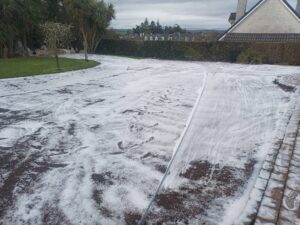
We properly prepare areas around your home before starting any job. Protective sheeting covers patios, driveways and surrounding spaces. Moss and debris fall directly onto coverings rather than your landscaping. Pre-wetting plants really well prevents them from absorbing chemical runoff. We avoid plastic coverings that restrict airflow. Instead, we use breathable materials when necessary. Bagging downspouts redirects contaminated water away from gardens. We rinse all vegetation after completion to remove residual chemicals and apply neutralising agents where needed.
Weather Conditions to Think About
Weather substantially affects scheduling. We postpone work during rain, which dilutes chemicals and creates slippery conditions. Frost makes tiles brittle. Wind exceeding 15mph poses danger to workers. Ideal conditions include dry, overcast days with temperatures between 10-18°C. Direct sunlight speeds chemical evaporation and reduces effectiveness. So we schedule roof cleaning during temperate weather patterns. Treatments will work properly and surfaces dry adequately afterwards.
Why We Avoid Pressure Washing
Pressure washing may seem like a quick solution. At PH Cleaners, we do not use aggressive pressure washing methods on roofs. The risks far outweigh any time saved.
Damage to Roof Tiles and Slates
High-pressure water strips protective coatings from concrete and clay tiles. These manufactured finishes shield materials from UV rays and moisture absorption. Tiles become porous and brittle after removal. Older tiles crack or dislodge under pressure. Surface erosion creates a rough, pitted texture that accelerates moss regrowth rather than preventing it. Damage from moss develops over years. Pressure washing can destroy a roof in a single afternoon.
Water Penetration Risks
Roofs shed water downwards through gravity and overlapping design. Pressure washing forces water upwards and sideways at 2000+ PSI and drives moisture under tiles, into laps and beneath flashing. This trapped water soaks timber battens and breathable membranes. Rot and structural damage remain hidden until leaks appear.
When Pressure Washing Might Be Acceptable
Cement, metal or tile roofs may tolerate controlled pressure washing. Asphalt shingles and natural slate should never be pressure washed whatever the pressure level.
The Soft Washing Advantage
Soft washing delivers results that last four to six times longer than pressure washing. It does not void manufacturer warranties or damage protective layers.
Conclusion
Professional roof cleaning requires the right combination of methods. PH Cleaners combines manual moss removal and soft washing biocide treatment to deliver results that last years rather than months. Safe access equipment ensures we work without risk. Good preparation and a complete clean-up protect your property throughout the process. Our goal is not just to clean your roof but to do it with long-lasting results that protect your investment.
FAQs
Q1. What’s the safest way to clean a roof without causing damage?
The safest method is soft washing. It uses low-pressure water and a biocide treatment to remove moss and algae without damaging tiles or forcing water underneath.
Q2. Should I use a pressure washer to clean my roof?
In most cases, no. Pressure washing can damage tiles, remove protective layers, and cause leaks. It’s generally not recommended for roof cleaning.
Q3. What’s the best solution for roof cleaning?
A professional biocide treatment is the most effective. It kills moss and algae at the root and helps prevent regrowth for several years.
Q4. How long does roof treatment take to work?
The treatment starts working within days, but full results appear over a few weeks to months as weather naturally cleans the roof.
Q5. Why remove moss before applying treatment?
Manual scraping removes most of the moss first, allowing the biocide to work better and giving a longer-lasting result.