How Clean Is Your House? Simple Tips for a Spotless Home

How Clean Is Your House Really: What the Experts Won’t Tell You

How clean is your house? Most of us believe our homes are clean after a quick tidy and surface wipe, but true cleanliness goes much deeper than what meets the eye. Many homes harbour hidden dust, allergens and bacteria in overlooked corners and forgotten spaces. At PH Cleaners, we understand that a dirty home can be stressful and overwhelming. We’re revealing what the experts won’t tell you about home cleanliness. In this piece, we’ll explore the health benefits of a clean home and signs your house meets professional standards. You’ll also learn cleaning routines, common mistakes to avoid and expert tips to maintain a hygienic space.

Why a Clean Home Matters

Your surroundings shape your wellbeing more than you might realise. The connection between cleanliness and health extends way beyond surface appearances and influences everything from your immune system to your state of mind.

Health Benefits of a Clean Home

Regular cleaning reduces germs and allergens that lower the risk of illness. Dust, pet dander, and mould thrive in neglected spaces and trigger respiratory problems and allergies. Environmental allergens play the most important role in the frequency and severity of asthma attacks, with approximately 30% of children experiencing some degree of asthma or allergies. Door handles, kitchen surfaces, and bathroom fixtures harbour germs that spread illness throughout your household. These high-touch areas need attention. Consistent cleaning minimises these risks and promotes a healthier environment for your family.

Mental Clarity and Reduced Stress

Clutter overwhelms the brain by bombarding it with excess stimuli and makes it harder to focus on tasks. People who described their homes as cluttered or unfinished reported higher levels of fatigue and depression, whilst those who viewed their homes as restful or restorative reported feeling more optimistic throughout the day. The effect on cortisol, the stress hormone, is noteworthy. A clean space reduces visual noise and helps you feel more in control. Small cleaning tasks may feel minor, but they provide a sense of accomplishment and calm that lowers cortisol levels. You get a more peaceful mindset and better emotional regulation.

Better Sleep Quality

Your sleep environment plays a direct role in how well you rest. People who make their beds every morning are 19% more likely to get a good night’s sleep. Similarly impressive, 75% of people surveyed revealed they sleep better when their sheets are freshly cleaned, as they feel more comfortable in their beds. A clean bedroom helps reduce allergens and irritants that disrupt sleep. Dust mites thrive in dirty environments and cause nasal congestion, sneezing, and breathing difficulties. A nightly cleaning habit, even for five minutes before bed, signals your body that it’s time to wind down. This regulates your internal clock and supports consistent sleep cycles.

Improved Indoor Air Quality

People spend nearly 90 percent of their time indoors. Indoor air pollutants accumulate at much higher concentrations than outdoors, with levels often two to five times higher than outdoor concentrations. You can philtre and disinfect indoor air to reduce infection frequency whilst improving allergy symptoms and overall brain function. Proper ventilation brings in fresh outdoor air to dilute and displace indoor air. You can open windows or use HEPA philtres to remove pathogens and pollutants. Keep humidity levels below 50% to discourage dust mites and allergens whilst preventing mould and mildew growth.

Reduced Allergens and Dust Mites

Dust isn’t just dirt. It contains mould spores, pollen, bacteria, decomposing fibres, pet dander, and mite waste. Dust mites thrive in warm, humid environments and fibre surfaces such as bedding and upholstery. Regular vacuuming with a HEPA philtre eliminates dust mites and allergens. Wash bedding weekly in hot water at least 54°C to kill dust mites and remove allergens. Hypoallergenic duvet and pillow covers act as barriers and prevent mites from penetrating tightly woven fabrics.

Improved Productivity

A 2011 study found that clutter limits the brain’s processing capacity. When everything is in its place, you experience heightened focus without unnecessary distractions. Clean surroundings support productivity and spark creative energy. A well-laid-out space allows you to find what you need quickly and frees up mental bandwidth for deep work. Those working from home can establish designated clean zones to boost focus and lower the risk of burnout.

Creating a Welcoming Space

A clean home transforms social interactions. Many people avoid inviting friends when their place is untidy and this limits social connection. A tidy environment leaves a positive impression on guests and provides a comfortable space for socialising. Friends and family around improve psychological state and create a cycle of wellbeing that reinforces the value of maintaining cleanliness.

Signs Your House Is Truly Clean

Appearances deceive. A house might look tidy with cushions plumped and surfaces cleared, yet fall short of genuine cleanliness standards. True cleanliness reveals itself through specific indicators that most homeowners overlook.

No Lingering Odours

Walk into your home after being away for a few hours. What do you smell? A clean house greets you with fresh, neutral air rather than heavy fragrances that mask problems at their source. The smell is one of the first things you’ll notice after a full cleaning, and it should be fresh and pleasant. Air fresheners and home fragrances don’t tackle unpleasant odours at the source. They merely mask them with competing scents.

Persistent musty smells signal hidden issues. Dampened towels and bath mats breed mildew if they lack proper airflow. Soft furnishings like rugs, curtains, and upholstery trap cooking smells, pet dander, and stale human odours in their fibres. Garbage bins harbour bacteria that create foul smells when not wiped down on a regular basis. Fresh air that circulates inside the house helps banish lingering smells. Windows opened after cooking or showering, especially in the early morning when air is crisp, remove moisture and prevent odour buildup.

Dust-Free Surfaces

Run your finger along a windowsill or bookshelf. Does it come away clean? Dust-free surfaces indicate proper cleaning attention. Take a good look at your furniture and surfaces, including benchtops, windowsills, bookshelves, and tables. If they’re free from dust, fingerprints, and smudges, it’s a clear sign effort has been applied.

Pay special attention to places often overlooked. Skirting boards, light fixtures, ceiling fan blades, and vent covers collect dust that many people miss. Light switch covers reveal cleaning standards in particular, as people touch them all the time and grime builds up. A light wipe of a gloved hand or clean, dry paint brush should not leave evident tracks on the surface. Dust can take several hours to settle on floors and surfaces after disturbance.

Clean and Hygienic Bathrooms

Bathrooms expose cleaning standards fast. A stellar cleaning job produces sparkling sinks, spotless mirrors, and sanitised toilets. The absence of soap scum and hard water stains on shower tiles indicates proper scrubbing. Polished tapware and spouts, along with fresh hand towels, complete the presentation.

Bathrooms are hotspots for germs. Without regular cleaning, viruses and bacteria build up fast on surfaces used everyday. Mould and mildew thrive in damp environments and release spores that create that classic musty basement scent. Check the bottom of shower curtains for grime buildup, as this area reveals maintenance consistency.

Organised and Clutter-Free Spaces

Clutter masks cleanliness. A room looks substantially cleaner when all flat surfaces, from floors to tabletops to countertops, are clear. Good cleaning doesn’t just sanitise but also organises and focuses on presentation. Look for neatly arranged items on shelves and cobweb-free corners. You can find anything without turning the whole house inside out when proper organisation exists. How clean is your house depends on whether everything has its designated place, creating visual calm rather than distraction.

Essential Cleaning Routine

Cleaning routines reshape chaotic homes into manageable spaces. You can break tasks into daily, weekly, monthly and seasonal categories to prevent overwhelm and make sure nothing gets overlooked.

Daily Cleaning Tasks

Daily maintenance takes 15-30 minutes combined and stops mess from accumulating. Make beds each morning to set a productive tone. Wipe kitchen counters and sinks after use, especially when you have food-contact surfaces where germs spread. Wash dishes right after meals or load the dishwasher to prevent pile-up. Sweep high-traffic areas like kitchens and entryways to control dirt tracking. Tidy clutter from living spaces before bed and spend five minutes returning items to their proper places. Wipe bathroom sinks and sanitise high-touch surfaces such as door handles and light switches.

Weekly Cleaning Tasks

Weekly tasks maintain hygiene in high-traffic areas. Clean toilets, bathtubs, showers and sinks really well. Dust surfaces including furniture, shelves and light fixtures. Hoover carpets, rugs and upholstery to remove pet dander and dirt. Mop hard floors after hoovering. Change and launder sheets, pillowcases, bath mats and towels. Empty and wipe trash bins inside and out. Flush kitchen drains with boiling water to prevent buildup.

Monthly Cleaning Tasks

Monthly deep cleaning addresses neglected areas that shorten the life of household items if left unattended. Scrub grout and wipe tub surrounds. Dust baseboards, ceiling fans and window treatments. Hoover behind furniture and under sofa cushions. Clean inside appliances like microwaves, ovens and refrigerators. Wipe kitchen and bathroom cabinet exteriors. Descale taps and showerheads. Wash ventilation hood philtres. Discard expired pantry items.

Seasonal Deep Cleaning

Seasonal tasks address unique challenges each period brings. Spring focuses on refreshing after winter: wash windows and screens, deep-clean carpets and upholstery, sanitise door handles, declutter storage areas. Summer prepares outdoor spaces: power-wash decks, clean patio furniture, make sure air conditioning vents are dust-free. Fall readies homes for holidays: clear gutters, hoover behind appliances, deep-clean ovens, organise kitchen cabinets. Winter emphasises indoor health: disinfect high-touch surfaces to prevent illness, dust upholstery and curtains, clean heating systems.

Creating a Cleaning Schedule

Assign tasks to specific days and time slots. Daily cleaning covers general chores and high-touch sanitisation. Weekly cleaning handles intensive jobs needing frequent attention. Monthly tasks involve deep cleaning high-traffic areas and storage organisation. You can break chores into manageable chunks to make schedules realistic and sustainable.

Maintaining Consistency

Small daily habits create exponential improvements. Start small with tasks taking less than two minutes. Cleaning requires zero mental energy when it becomes habitual. Skip missed tasks without guilt and move to the next day’s assignment. Consistency matters more than perfection.

Common Cleaning Mistakes to Avoid

Experienced cleaners fall into habits that undermine their efforts. You clean more efficiently and protect your health and home surfaces when you recognise these mistakes.

Too Much Cleaning Product

More product doesn’t mean better results. Excessive amounts leave behind residue that attracts more grime and dirt. Microfiber cloths create streaks on windows and mirrors when oversaturated. You’ll spend more time cleaning overspray than actual surfaces. A little cleaning solution goes a long way. Follow proper dilution ratios listed on labels and avoid overly concentrated solutions that can cause streaking or damage. Excess product is unnecessary and not budget-friendly. It can damage surfaces and the tools you’re using. Concentrated cleaning products must be diluted as per instructions, as stronger solutions than recommended increase health risks.

Dirty Cleaning Tools

Dirty tools spread bacteria rather than eliminate them. This makes cleaning less efficient. Sponges harbour faeces, germs and bacteria if not sanitised weekly. Microwaving sponges on high for 1-2 minutes kills germs, but wait until they cool before touching to avoid severe burns. Microfiber cloths attract dirt from other soiled materials if washed together, so launder them separately without fabric softener. Fabric softener reduces their electrostatic charge. Never store mops on the floor or in buckets. Hang them to dry in a light, airy place so air can circulate. Empty vacuum bags regularly, wipe the exterior and check for strings wrapped around beater bars. Heavily soiled tools can scratch and damage surfaces instead of cleaning them.

Hidden Areas

Dust accumulates in overlooked spots that affect air quality and allergen levels. Vacuum cleaner brushes and attachments need regular cleaning. Cut off carpet fibres or hair entangled around brush rolls with scissors. The top of the fridge becomes a dirt and grease trap, yet remains out of sight and out of mind. Blinds allow dust to build up and blow into rooms. The underside of rugs accumulates dirt that needs vacuuming. Coffee machines develop limescale buildup in hard water areas and clog inner workings.

Wrong Cleaning Products Mixed Together

Never mix bleach or any bleach-containing product with any cleaner containing ammonia. The gases created from this combination can lead to chronic breathing problems and even death. Bleach and vinegar together release toxic chlorine and chloramine vapours that cause chemical burns to eyes and lungs. Different drain cleaners contain sodium hydroxide, sulfuric acid and bleach that create harmful reactions when combined. Use one cleaning product per task and rinse surfaces between applications if multiple products are necessary.

The Rush Through Process

Incomplete tasks pile up and overwhelm you during the next cleaning session. Set a timer and focus only on the task at hand without distractions. You’ll move quick to the next task and leave each one completed before starting another.

Expert Tips for a Cleaner Home

Professional cleaners follow specific strategies that transform cleaning from exhausting to efficient. These expert techniques reduce time spent while delivering superior results.

Declutter Before You Clean

Remove clutter from surfaces before you touch a spray bottle. Clearing items allows you to access every corner without constantly moving belongings around. Decluttering saves 30-40% of total cleaning time compared to cleaning around objects. Take five to ten minutes per room to remove unnecessary items. You’ll clean faster and more completely when surfaces are clear.

Work from Top to Bottom

Start at ceiling level and progress downward through furniture. Finish with floors. Dust and debris fall during cleaning, which means you never clean the same surface twice. Professional cleaners follow this gravitational approach because it delivers spotless results. Clean bed rails before bed legs and environmental surfaces before floors.

Use the Right Tools

Cordless vacuums save time by eliminating constant plugging and unplugging. HEPA-filtered vacuums prevent pollen and dust from leaving the exhaust. Microfiber cloths clean surfaces well, often with just water, without leaving streaks.

Natural Cleaning Solutions

White vinegar and baking soda clean almost everything. Mix equal parts vinegar and water with tea tree oil for a disinfectant suited for kitchens and bathrooms. Lemonade Kool-Aid contains citric acid that cleans toilet bowls when sprinkled around the sides and left overnight.

Focus on High-Touch Areas

Doorknobs, light switches, countertops, bedrails and faucets harbour germs that spread illness. High-touch surfaces act as reservoirs for infectious agents and pose risks for multi-resistant organisms. Sanitise these areas often to reduce cross-contamination.

Ventilate While Cleaning

Proper ventilation dilutes and removes contaminants. This creates healthier indoor environments. Open windows or turn on exhaust fans to eliminate volatile organic compounds found in cleaning products. Good airflow helps faster drying and prevents moisture accumulation and mould growth.

Conclusion

True cleanliness goes way beyond surface appearances. A clean home protects your health and reduces stress levels that affect daily life. We’ve shown you the hidden signs of proper cleanliness, from dust-free surfaces to fresh-smelling rooms, and the routines that keep your space hygienic.

Start small with daily tasks that take minutes, then build consistency with weekly and monthly deep cleaning. Avoid common mistakes like using dirty tools or mixing dangerous chemicals. Maintaining a clean home requires less effort than you think once you establish the right habits and follow expert techniques.

FAQs
Q1. How does a clean home improve mental health?
A clean, organized space reduces stress, improves focus, and helps you feel more calm and in control.


Q2. What areas are often overlooked when cleaning?
Commonly missed spots include skirting boards, vents, light fixtures, blinds, and under furniture.


Q3. How often should bedding be washed?
Wash bedding weekly in hot water to remove dust mites, allergens, and improve sleep quality.


Q4. What cleaning products should never be mixed?
Never mix bleach with ammonia or vinegar, as it creates harmful toxic gases.


Q5. Why clean from top to bottom?
It prevents re-dirtying surfaces and ensures a more efficient, thorough clean.

How to Clean Suede Shoes: Easy Steps to Remove Dirt

How to Clean Suede Shoes at Home: Expert Techniques for Stubborn Stains and Scuffs

The way you clean suede shoes makes the difference between preserving their texture and causing permanent damage. Suede is a delicate material that requires care, as opposed to regular leather or synthetic fabrics. You can restore your suede shoes to their look at home with the right tools and techniques. In this piece, we’ll walk you through everything you need, including household products and expert methods for tackling stains and scuffs while protecting the fibres of your suede footwear.

What You’ll Need to Clean Suede Shoes at Home

Gather the proper equipment to protect the delicate fibres of your suede footwear before you begin cleaning. The right tools prevent damage and effectively remove dirt and stains.

Microfibre Cloth

A microfibre cloth serves as your primary tool for gentle cleaning and moisture removal. Microfibre works on suede because it’s soft enough to avoid damaging the delicate surface and highly absorbent to quickly remove excess moisture. The lint-free nature of microfibre prevents small particles from sticking to your shoes, which is especially important since suede readily picks up debris.

A microfibre cloth removes surface dirt and helps restore the material’s texture without applying excessive pressure when dampened slightly. Keep several clean cloths on hand, as you’ll need dry ones for blotting and damp ones for cleaning.

Small Brush

A soft-bristled brush or toothbrush removes surface dirt. Suede brushes are designed to remove dirt and restore the nap of the upper. Gentle strokes work best, and a soft cloth makes a suitable substitute if you don’t have a dedicated suede brush.

Small brushes with natural bristles excel at getting into the suede fibres without causing damage. Natural bristles have varying lengths and a bit of flex, which allows them to penetrate the suede pile more than synthetic options. A medium-bristle shoe brush, medium toothbrush, or nail brush all work for this purpose.

Brush with Firm Bristles

You’ll need a brush with firmer bristles for more stubborn dirt accumulation. Hard-bristle suede cleaning brushes feature flexible boar bristles in a wooden body and are designed to remove dirt after wearing and re-fluff the suede pile. Some dual-sided brushes combine brass bristles with natural or synthetic bristles.

Apply moderate pressure rather than excessive force to avoid damaging the suede when you use firm bristles. Brush in straight motions but in different directions to remove dirt without pushing it deeper into the fibres. Pay special attention to the back of shoes where dirt and debris accumulate from driving and regular wear.

Suede Eraser

A suede eraser removes stains, water marks, and soiling from suede to restore the original finish and texture. These erasers are made from a crumbly, rubber material designed for suede.

A suede eraser works like a pencil eraser: identify the dry stain, then rub the eraser into it with moderate to firm pressure. The eraser leaves behind white residue that needs brushing away to complete the stain removal process.

A clean, regular rubber eraser or even a pencil eraser can substitute for a dedicated suede eraser. Make sure any eraser you use is clean and unstained before you apply it to your shoes.

Household Items for Cleaning Suede

Several household products work for cleaning suede without purchasing specialised cleaners. White vinegar handles general stains. Baking soda and cornstarch both absorb oil stains. Rubbing alcohol tackles tough stains.

Use dye-free dish soap mixed with filtered water for deeper cleaning. Filtered water prevents residual water marks that unfiltered water can leave behind. Talcum powder also absorbs oil. Hydrogen peroxide serves as an optional treatment for certain stains.

Optional Tools and Materials

A crepe suede brush features soft, gummy rubber crepe bristles that clean and re-fluff the pile on suede and nubuck shoes. Nubuck has a finer pile than suede and is more delicate, so traditional hard-bristle brushes would damage it. This makes the crepe brush necessary for this material.

Apply a transparent, colourless waterproof spray to prevent water damage and provide protection against dirt and stains after you clean and dry your shoes. Suede conditioner, available as wax, oil, or cream, maintains the material after cleaning. Apply conditioner in straight motions but different directions to distribute it over the shoe.

Step-by-Step Process: How to Clean Suede Shoes

Preparation sets the foundation for successful suede cleaning at home. You need to take steps that protect the material from additional damage before touching your shoes with any cleaning tool.

Dry Cleaning First

Never attempt to clean wet suede. Mud or other moisture must dry before brushing, otherwise you risk causing inadvertent stains. Wet suede absorbs cleaning solutions differently than dry suede, and rubbing wet material pushes dirt deeper into the fibres. Stuff your shoes with paper towels or crumpled newspaper if they got caught in rain to absorb moisture and help them maintain their shape.

Don’t place shoes near heaters or in direct sunlight whilst drying. Direct heat cooks the leather and leaves it stiff, brittle, and often discoloured. Place them in a spot with good air circulation instead and allow a full day for drying if needed.

Brushing Away Loose Dirt

Insert shoe trees or stuff them with crumpled newspaper once your shoes are dry to retain their shape whilst you clean. Use a suede brush or toothbrush to remove any dirt or debris on the surface. Brush in the direction of the nap’s grain using gentle strokes. This lifts loose dirt and dust whilst reviving the material’s natural texture.

Brushing alone can make a big difference for light cleaning, and depending on your shoe’s condition, may not require further treatment. Don’t use soap or water at this stage, which can make the mess worse.

Apply more pressure where needed, using a back-and-forth motion on dirty areas. Use a quick side-to-side brushing motion on scuff marks to lift the suede fibres away from the shoe and loosen any debris. Aggressive scrubbing crushes the delicate suede fibres and leaves behind a permanent shiny, flat patch. Think about this step as coaxing the dirt out rather than grinding it into submission.

Using the Suede Eraser

A suede eraser becomes your main tool for marks that remain after brushing. Hold the eraser as you would a pencil eraser and rub it back and forth over the stain, scuff mark, or flattened material. Apply moderate to firm pressure, but don’t rub too hard or you might risk damaging the fabric. The friction helps lift blemishes out of the fibres.

You won’t see the full effectiveness without taking a suede cleaning brush and brushing off the white residue the eraser leaves behind. This residue is normal; the eraser crumbles as it penetrates the suede’s nap. Brushing completes the process of removing the dry stain and fluffs the pile. Check your progress from time to time, as some stains or scuffs may require several minutes of careful erasing.

Addressing Scuff Marks

Scuff marks respond well to targeted treatment. Try buffing them away in circular motions with your suede eraser before you think about cleaning solutions. A clean eraser or sponge helps tackle stubborn marks with careful scrubbing.

Make sure the eraser itself is clean and unstained before application. Apply the eraser over the scuffed surface to avoid damage. Switch to vigorous back-and-forth brushing until the scuff lifts from the suede if circular motions don’t work.

Testing on a Hidden Area

Always test on a small, inconspicuous spot before applying any cleaning solution to visible areas. This precaution will give a safeguard that the cleaner won’t cause discoloration or unwanted effects.

The inside quarter above the arch offers low visibility for testing. A part of the tongue works well on some shoes. Don’t be alarmed if the tested area turns darker; the material should return to its original colour once it dries. This simple step safeguards your shoe’s overall integrity.

How to Remove Stubborn Stains from Suede Shoes

Brushing and erasing sometimes fail to lift marks. Acidic and absorbent household products tackle the challenge at that point. Different stains just need specific treatments, and understanding which method suits each situation protects your shoes and removes blemishes.

How to Clean Suede Shoes with Vinegar

White distilled vinegar’s acidic makeup breaks down stains. This makes it especially effective for watermarks.

Dip a clean white cloth corner in white vinegar and dab the stained area. Switch to a fresh section of cloth as one portion becomes dirty.

Copious amounts should be avoided, as excessive vinegar saturates the suede. The treated area will darken for a while, but the material returns to its original colour once dry.

Damp areas should air dry before you check the results. Persistent stains may need repeat treatment. Brush the nap several times with a suede brush as it dries, then give a final brush once it’s dry.

How to Clean Suede Shoes with Baking Soda

Mix baking soda with water to create a paste for general stain removal. Apply the thick paste to the stained area and leave it for a few minutes. Gently brush away with a dry brush. Filtered water prevents residual water marks and gives optimal results.

How to Clean White Suede Shoes

Light-coloured suede shows stains more than darker shades. The same cleaning methods apply, but test solutions more cautiously on white suede. White vinegar and rubbing alcohol work without causing discoloration that water might leave behind.

Using Rubbing Alcohol for Tough Stains

Rubbing alcohol removes ink-stained clothes and filthy suede boots. Apply rubbing alcohol to a small section of a clean white cloth. Dab dirty areas and switch to clean cloth sections as needed.

Exercise caution, as suede is delicate material. Rubbing alcohol’s gentle nature cleans without harming delicate fibres. Don’t soak the suede or rub the nap with excessive alcohol. Check results after drying, then repeat for difficult stains if you must.

Removing Water Stains

Water stains require counterintuitive treatment. Lightly spray water across the affected area with a spray bottle.

Gently brush the stain with a suede brush to work in the moisture. Blot the area with a microfiber cloth or paper towel to absorb excess water. Let it dry before you assess the results.

Oil and Grease Stain Removal

Sprinkle baking soda or cornstarch onto greasy stains and cover them. Leave the powder overnight to absorb the oil. Brush away the absorbed grease and powder the next day.

Stubborn grease marks may need dish soap. Apply it and let it sit for 10 to 15 minutes before wiping with a dampened cloth. Cornflour absorption takes a few hours before gentle wiping with a cloth or handheld vacuum removes what remains.

Expert Techniques for Restoring Suede Texture

Restoring suede’s distinctive texture requires specific techniques that go beyond simple cleaning. Once stains disappear, bringing back that soft, velvety feel completes the restoration process.

Raising the Nap After Cleaning

After any cleaning treatment, brush the suede in one direction with a suede brush to restore its natural nap. This action revives the soft, fuzzy texture that makes suede special.

Brush gently in the direction of the grain to prevent damage to the material.

Brush in multiple directions to lift and separate fibres that have become pressed down from wear if areas remain flattened. Think of this as giving your shoes a thorough massage. The nap refers to the velvety texture of suede, and daily wear can flatten and mat those delicate fibres.

How to Clean Suede Shoes with a Toothbrush

Toothbrushes work well to remove dust and dirt, especially in hard-to-reach areas. Use an old toothbrush or nail brush as an alternative if you don’t have a dedicated suede brush. A stiff toothbrush substitutes well for a specialised suede brush.

Brush towards the direction the suede faces, which means following the grain. Increase brushing intensity for stubborn marks. Never use a brush on wet dirt, as this pushes particles deeper into the suede.

Steam Treatment for Flattened Suede

Hold your shoes over steam from a kettle or pot of boiling water for 15 to 30 seconds. Steam opens the leather’s surface and makes it easier to remove embedded grime while reviving the nap.

The steam makes leather fibres expand and become more pliable. Brush right after steaming while the fibres remain warm and flexible. Avoid letting suede get too wet during this process.

Dealing with Scuffs Without Damaging Suede

Brass bristles cut through deeper damage and stubborn scuffs well. Use brass brushes with extreme care, as hard brushes prove too abrasive if handled improperly. Brush back and forth until scuffs lift from the suede. Silicone or rubber brushes work for more difficult stain and scuff removal.

Pro Tips and Maintenance for Suede Shoes

Preventative care extends the lifespan of suede shoes by a lot. Once you’ve restored your shoes, you need consistent attention and protective measures to maintain that fresh appearance.

Protecting Your Suede Shoes

Apply waterproofing spray before the first wear. Hold the can 6 to 8 inches away from the surface and work in sweeping motions. Some sources recommend spraying from 15 to 20 centimetres distance.

Reapply every 1 to 2 months for shoes you wear often. Heavy rain or snow means you should put on another coat once your shoes dry. The spray creates a breathable barrier that repels water and dirt and maintains suede’s original colour, nap, and softness.

Storage Tips

Insert cedar shoe trees after every wear. They absorb moisture, control odour, and maintain shape.

Store suede shoes in breathable cotton bags or fabric-lined boxes. Choose a cool, dry place away from direct sunlight. Plastic bags trap moisture and lead to mould, so never use them.

Add silica gel packets to storage containers in humid environments to prevent mildew. Stuff shoes with acid-free tissue paper if shoe trees aren’t available.

When to Use a Suede Cleaner vs Household Products

Deep cleaning or steaming requires professional wet cleaning. Household products handle routine maintenance and minor stains well. Specialised suede shampoos clean and condition the whole surface without affecting colour.

Common Mistakes to Avoid

Never apply waterproofing to dirty or damp suede. This traps grime under the surface. Avoid spraying too closely as this creates dark spots and streaks. Don’t use hairdryers or place shoes near radiators. Treat stains right away before they set. Never soak suede in water.

How Often to Clean Suede Shoes

Brush your suede shoes after every wear to keep them fresh. This removes surface dust and minor stains and prevents accumulation. Perform a full cleaning once per season if shoes receive proper daily care.

Conclusion

Suede shoes just need special care, but with the techniques we’ve covered, you can tackle everything from everyday dirt to stubborn stains at home. Using the right tools and treating each type of mark the right way is what matters most. Start with gentle methods like brushing and erasing. Then try household solutions like white vinegar or rubbing alcohol.

Preventative maintenance matters just as much. Regular brushing after each wear helps a lot.

A protective waterproofing spray also keeps your suede shoes looking fresh. Taking good care today saves you from pricey professional cleaning or early replacement. Your suede footwear can last for years and look elegant when you treat this delicate material with care.

Q1. Can I clean suede shoes without special cleaner?

Yes, household items like vinegar, baking soda, or rubbing alcohol can remove stains when used gently with proper brushing.

Q2. Is it safe to use soap and water on suede?

Use very little water with mild soap if needed. Never soak suede—always blot dry and air dry before brushing.

Q3. How often should I clean suede shoes?

Brush after each wear and deep clean once per season. Treat stains immediately.

Q4. How can I protect suede shoes from water?

Use a waterproof spray before wearing and reapply every 1–2 months.

Q5. What mistakes should I avoid?

Avoid cleaning wet suede, using heat to dry, soaking in water, or scrubbing too hard.

Youtube

How to Clean a Whiteboard: Easy Tips

How to Clean a Whiteboard: The Right Way to Remove Stubborn Stains

You need to know the right way to clean a whiteboard. This prevents the frustrating ghosting and staining that ruins the whiteboard’s surface.

Old marker ink bonds to the whiteboard when left too long and creates stubborn marks that standard erasers can’t remove. We’ve developed proven techniques to tackle daily maintenance and deep restoration. This guide shows how to clean a whiteboard that won’t erase.

It explains how to remove permanent marker from a whiteboard.

You’ll learn the quickest way to remove stubborn stains.

It also shares care tips to keep your board pristine.

Daily Cleaning for Your Whiteboard

Regular maintenance makes the difference between a board that erases cleanly and one plagued with permanent-looking stains. We start each day with a simple dry wipe using a soft, lint-free cloth or microfibre cloth. This simple step removes most marker ink before it has time to bond with the surface.

Quick wipe down method

Microfibre cloths outperform traditional whiteboard erasers for daily cleaning. The right cleaning cloth absorbs the ink rather than pushing it around the surface. We’ve found that felt erasers work adequately, but microfibre delivers superior results without requiring daily cleaning sprays.

Start with a dry wipe across the board. Apply gentle pressure and work in one direction, either left to right or top to bottom. Fresh marker ink lifts off easily with this approach. If marks remain after the dry wipe, apply a small amount of whiteboard-safe cleaning spray to the board and wipe the surface gently.

Never use paper towels for this task. They scratch the coating on the whiteboard and shorten its lifespan by a lot. The scratches create tiny crevices where ink can settle and make future cleaning more difficult.

How to clean a whiteboard eraser

Erasers become saturated with ink over time and spread residue rather than removing it. We clean ours often using a simple washing method.

Place about one tablespoon of dish soap into a shallow pan with one quart of hot water. Submerge the erasers and let them soak for at least 20 minutes. The longer soak time allows the soap to penetrate and loosen accumulated ink.

Rinse each eraser under running water until the water runs clear and all ink is removed. The drying process matters just as much as the washing. Set the erasers in direct sunlight for one to two hours. They must dry before use, otherwise they won’t erase well and may promote mould growth.

You can spray erasers with a garden hose set to its most powerful setting for a quicker outdoor method. The water pressure penetrates the eraser cracks and forces out embedded ink. This method works well for very dirty erasers. It makes inky water on the ground, so choose your cleaning spot with care.

Preventing marker buildup

The simple prevention strategy involves erasing after use. Fresh ink wipes off more easily than marks left for days. We make this a habit and clean the board at the end of each session rather than leaving content overnight.

Marker quality affects how much residue accumulates on your board. High-quality dry-erase markers leave fewer stains and clean more easily. Cheap markers often contain oils and additives that bond more to whiteboard surfaces.

Replace or wash erasers often. Old erasers distribute ink dust across the board instead of collecting it and create a grey film that dulls the surface. We swap out heavily used erasers every few weeks to maintain cleaning effectiveness.

Consistent cleaning prevents ghosting and staining from becoming permanent problems. Even when the board appears clean, a light wipe with a damp microfibre cloth removes invisible residue. This practise keeps the surface receptive to fresh marker ink and extends the board’s usable life by a lot.

Weekly Deep Cleaning

A weekly deep clean tackles the film buildup that develops beneath the surface, even when the board appears clean. Traditional whiteboards require this deeper maintenance once a week. We’ve seen that boards cleaned only with daily dry wipes lose smooth erasing as ink builds up in tiny surface flaws.

Materials you’ll need

The cleaning solution’s concentration makes all the difference. We use 99% or 90% strength for isopropyl alcohol. Seventy-percent solutions don’t work nearly as well.

You’ll also need a microfiber cloth or other non-abrasive cloth. Abrasive cleaners and sponges can scratch and ruin the surface.

White vinegar works well for those preferring natural alternatives. The ratio suggestions range from one teaspoon of vinegar per cup of water to one cup of each. Stronger mixtures handle heavier residue better. Lighter ratios suit boards with minimal buildup.

Commercial whiteboard cleaners offer convenience for offices or classrooms. These special formulas contain compounds that break down silicone polymers from dry-erase markers. They do not damage the whiteboard’s protective coating.

Step-by-step cleaning process

Mix the alcohol or peroxide with water, then apply the solution to a cloth. Never spray large amounts of liquid on the board. Too much moisture can seep under the edges and damage the backing.

Wipe the board’s surface using circular motions. We apply gentle pressure to lift embedded residue without scratching the coating. The circular technique will give even coverage and prevent the uneven shine that occurs when only portions receive attention.

Rinse off any remaining residue after the original wipe. Fill a spray bottle with clean water and mist it over the board. Wipe the surface again with a clean, damp cloth to remove any remaining cleaning solution.

The drying stage prevents future staining. Use a separate dry cloth or paper towels to pat the surface. Moisture left behind can lead to further ghosting problems. We make sure the board dries before writing on it again.

Rub isopropyl alcohol on the area for stubborn stains. Use enough to leave a thin layer over it, let it sit for a few seconds, then wipe the area. This technique works the same with hydrogen peroxide.

How to clean a whiteboard without whiteboard cleaner

vinegar and water mixture provides a safe non-chemical cleaning method. This natural cleaner has been used for years with similar results. Spray the solution on the whiteboard, then wipe it off with a microfiber cloth.

Let the vinegar and water mixture sit on the surface for a few minutes before wiping with a damp cloth if the whiteboard has stubborn stains. The extended contact time allows the acidic vinegar to break down resistant ink bonds.

Hand sanitizer serves as another alternative, but it must contain 90% to 99% isopropyl alcohol. Apply hand sanitizer to the whiteboard using a soft, clean cloth. Let it sit there for 30 seconds, then wipe off with a fresh cloth.

Performing this deep clean maintains the surface quality even if the board doesn’t look dirty. Consistent cleaning prevents ghosting and staining from developing into permanent issues. We’ve noticed boards treated with weekly maintenance retain their erasing properties much longer than those cleaned on occasion.

Removing Ghosting and Stubborn Stains

Ghosting turns once-pristine whiteboards into surfaces marked with faint, stubborn shadows of old writing. This happens when dry erase ink seeps into the whiteboard surface. It leaves marks that stay visible after erasing. Several things can cause this problem.

One cause is leaving marks on the board for too long.

Another cause is erasing marker ink while it is still wet.

Using cheap, low-quality whiteboards can also cause it.

Heavy, repeated use can make it worse.

The ink chemistry plays a role too. Dry-erase markers contain colour pigments suspended in an oily silicone polymer.

The solvent reacts with the surface material when you erase too fast or leave ink sitting for days. This causes deeper pigment penetration that resists removal. Dirty erasers make the issue worse by smearing ink residue across the surface rather than lifting it away.

What causes whiteboard ghosting

Marker ink settles into microscopic pores on porous surfaces like the melamine found on cheaper traditional whiteboards. You cannot erase it there. Low-quality dry-erase markers contain less protective silicone polymer and are more likely to cause staining and ghosting. Erasing marks before the solvent has dispersed smears the ink across a wider area and embeds it into the surface.

How to clean a whiteboard with permanent marker

The accidental permanent marker mistake happens often, but removal proves simpler than expected. The best technique involves drawing over the permanent marker with a fresh dry-erase marker and then erasing both while the ink remains wet. This works because the dry-erase marker’s solvent rehydrates and loosens the permanent ink.

Wet the affected area with 70% isopropyl alcohol and wipe with a soft cloth until the stain lifts. Glass cleaner offers another solution: spray it on the whiteboard, wait a few seconds, and wipe with a microfiber cloth or paper towel.

Hand sanitizer with high alcohol content can remove permanent marker. Squirt it on the stain. Leave it for a few minutes. Then scrub.

How to clean a whiteboard with vinegar

White vinegar breaks down permanent marker stains well. Apply a small amount on a clean cloth and wipe the permanent marker with the dampened cloth. Use a clean, soft cloth to dry the area afterwards. Repeat the process two or three times until the stains disappear if the ink proves stubborn.

How to clean a whiteboard with toothpaste

Place a small amount of toothpaste on the corner of a microfiber cloth and apply some water. Work this paste onto the surface and scrub until the permanent marker ink begins to break down. Wipe the area with a damp cloth to remove residue when the marks vanish. Use light pressure only, as pressing too hard damages the coating.

Using rubbing alcohol for tough stains

Fill a spray bottle with 70% isopropyl alcohol. Spray it on the whiteboard and wipe with a non-abrasive cloth until the stain lifts.

Pre-packaged alcohol wipes also remove permanent marker from whiteboard surfaces. But rubbing alcohol can wear down the protective layer over time. Use this method only for tough cases, not routine cleaning.

Deep Restore for Very Dirty Whiteboards

Whiteboards reach a tipping point when standard cleaning methods no longer restore their surface. You’ll know this stage when the board won’t wash clean with regular cleaners.

It will also show slow discoloration that stays, even with very good care. This deterioration stems from repeated use causing the surface to become porous. Ink sinks in and creates seemingly permanent stains.

Assessing the damage

The polymer in dry-erase markers prevents ink from contacting the whiteboard surface at first. Constant writing and erasing makes the board porous over time.

Ink penetrates the tiny pores at this point and bonds with the underlying material. The board becomes useless. Visible signs include persistent ghosting after cleaning, dull or discoloured appearance, and scratches that trap ink.

Commercial whiteboard cleaners

Specialised restoration products tackle severe staining better than household alternatives. Nobo Deepclean whiteboard foam removes difficult stains and permanent ink. It restores the board to its original condition.

The Nobo whiteboard renovator spray targets areas where surface maintenance has lapsed. Monthly routine treatment eliminates stubborn ink stains.

AF permanent ink remover works on whiteboards and other non-porous surfaces. It provides quick removal of permanent marker accidents.

DIY restoration methods

Premium whiteboard paint offers the best long-term restoration solution. The process involves sanding the surface, then applying a suitable base coat and installing the paint. Your renewed surface will be ready to write on in 48 hours after installation.

This method creates durable, nonporous writing surfaces comparable to expensive porcelain steel or glass boards. Boards last ten or more years when restored with quality paint versus needing replacement every two to three years without recoating.

Resurfacing films provide an alternative to paint. These premium writable films apply over existing surfaces and resist stains and ghosting while offering the same functionality as new boards. The application involves cleaning the surface, then applying peel-and-stick film. You smooth out bubbles with a squeegee and trim edges for a perfect fit.

When to replace the surface

The board has reached its end if harsh cleaners have ruined the finish or you’re applying WD-40 more and more. Surfaces growing rough with wear develop tiny grooves impossible to clean. Replacement becomes necessary when fresh marks prove difficult to remove immediately after cleaning.

What NOT to Use and Long-Term Care Tips

Certain cleaning products and practises accelerate whiteboard deterioration rather than preserve the surface. What to avoid proves as crucial as knowing proper cleaning techniques.

Cleaners that damage whiteboards

All-purpose cleaners and harsh chemicals should never touch your whiteboard, as they damage the surface and leave a cloudy residue. Harsh cleaners like bleach or ammonia damage the surface coating.

Ammonia-based cleaners yellow the whiteboard surface and leave behind a film. Wax or oil-based cleaners leave heavy film residues.

Abrasive cleaners like Comet scratch your whiteboard and cause damage that cannot be reversed. Paper tissues leave fibres behind and may damage the surface. Your hands should never wipe a whiteboard, as natural oils build up over time and ruin the surface.

Proper marker selection

High-quality whiteboard markers designed for whiteboards are the only ones you should use. Low-quality dry-erase markers contain strong pigments that leave behind residue. Others have excessive solvents that erode the whiteboard surface over time. Different pigments behave differently; black ink may rub off with ease, whilst red ink proves more stubborn.

Storage and maintenance habits

Markers should be stored horizontally with caps tightly closed to prevent drying out. Direct sunlight must be avoided, as UV exposure causes yellowing over time. Boards need protection from excessive humidity, which affects the surface and causes ghosting and staining.

How to prevent staining

Written text should be erased within 24 hours to prevent ink from staining. The board needs a clean wipe before using markers, as dust and residue affect marker performance. Ghosting and staining can be prevented through consistent cleaning[371].

Conclusion

A clean whiteboard starts with simple daily habits rather than restoration work. We’ve shown you everything from quick dry wipes to deep restoration techniques and given you the tools to tackle any level of staining.

The difference between a board that lasts two years and one that serves you for a decade lies in consistent maintenance. High-quality markers combined with proper cleaning prevent most problems before they develop.

Start with daily erasing and add weekly deep cleans. Your whiteboard will maintain its pristine surface for years. The methods we’ve outlined work when applied consistently and deliver professional results without expensive replacements.

Q1. What’s the best way to remove stubborn stains from a whiteboard?

Use 90–99% isopropyl alcohol on a microfiber cloth and wipe gently. For tough stains, let it sit briefly or draw over them with a dry-erase marker and erase.

Q2. Why won’t my whiteboard erase properly anymore?

The surface may be worn or porous, allowing ink to soak in. This is often caused by harsh cleaners, dirty erasers, or leaving ink on too long.

Q3. Can I use household products to clean my whiteboard?

Yes. Vinegar and water (1:1), hand sanitizer with alcohol, or even a small amount of toothpaste can help remove stains.

Q4. How often should I deep clean my whiteboard?

About once a week. This removes buildup and helps prevent ghosting while extending the board’s lifespan.

Q5. What cleaning products should I avoid?

Avoid bleach, ammonia, abrasive cleaners, and paper towels. They can damage the surface and cause scratches or residue.

Youtube.com

How to Clean a Roof: Safe & Effective Methods

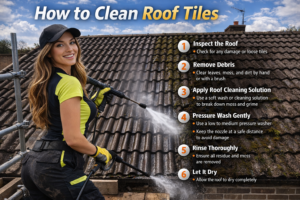
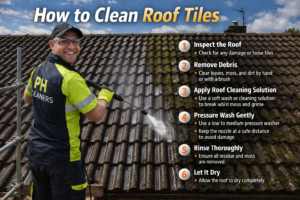
How to Clean a Roof (Safe & Effective Methods)

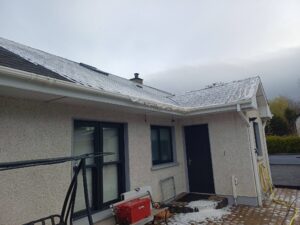
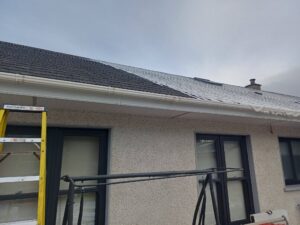
How to clean a roof properly is essential for maintaining your property and avoiding costly repairs. Using the right roof cleaning methods can save you thousands in premature replacement costs, while the wrong approach can cause serious damage to tiles or slates.

At PH Cleaners, we use safe and professional roof cleaning techniques that deliver long-lasting results while protecting your roof. Our process combines manual moss removal with a soft washing biocide treatment, instead of relying on aggressive pressure washing.

In this guide, we explain how to clean a roof safely and effectively, why pressure washing is sometimes not suitable, and how proper preparation and equipment help achieve results that last for years, not just months.

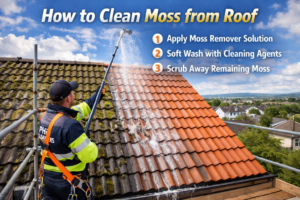
Manual Moss Removal (Scraping & Brushing)

Why Manual Removal Comes First

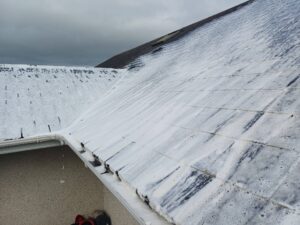
Manual scraping are the foundations of professional roof cleaning. PH Cleaners uses professional scraping tools and brushes designed for roof tiles and slates. This method removes about 80-90% of visible moss and prepares the surface for biocide treatment. Manual cleaning gives us full control over the process, unlike pressure washing. The roof surface remains undamaged and we can deliver a more controlled and detailed clean. The technique is safe for all roof types, from delicate clay tiles and slates to reliable concrete tiles.

Tools Needed for Moss Removal

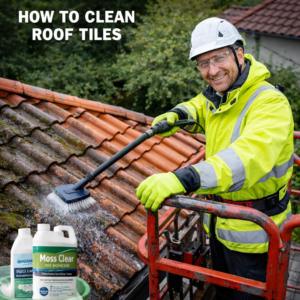
We work with soft-bristle brushes attached to telescopic poles for gentle removal of surface-level moss. Plastic scrapers handle thicker accumulations without scratching tiles. Metal tools scratch and break tiles, so we avoid them. Our team wears proper protective gear that includes gloves, safety goggles and non-slip footwear. Buckets and tarpaulins collect debris during the process and prevent moss from clogging gutters or littering your property.

How to Scrape Moss Safely

We approach moss removal with care and precision. Each tile receives gentle attention that ensures the majority of moss lifts from the surface without damaging the roofing material. We work across each section and maintain steady pressure that removes growth without compromising the tile’s integrity. Protective equipment keeps our team safe and allows access to all roof areas.

Working from Top to Bottom

We start at the ridge and work downwards to prevent lifting tiles during the cleaning process. Brushing moss off in a downward motion follows the roof’s natural slope and avoids any upward pressure that could dislodge or crack tiles. This top-to-bottom approach ensures debris falls away from the roof rather than becoming trapped between tiles.

Clearing Gutters and Valleys

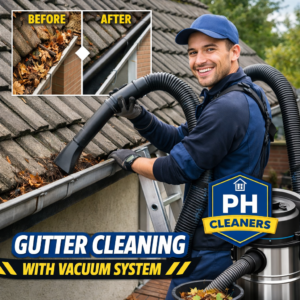
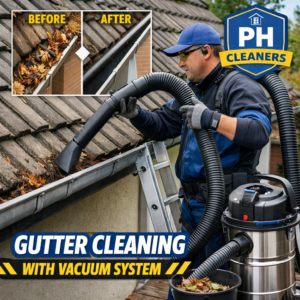
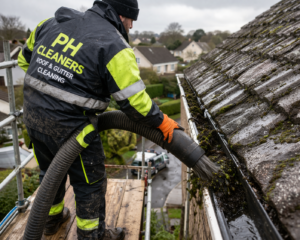
Moss accumulation in gutters causes blockages that lead to water overflow into areas where it damages fascia, gutter fixings and rafter tails. We clear all gutters of loose debris once we complete the roof scraping. This step is critical because the large percentage of moss that ends up in gutters during removal can create serious drainage problems if left unaddressed.

Soft Washing with Biocide Treatment

What Is Soft Washing?

Soft washing represents the second essential phase of professional roof cleaning. Manual removal handles the bulk of visible growth, but soft washing addresses what scraping cannot reach—microscopic spores, root systems and biofilm embedded within the porous surface of tiles. PH Cleaners applies specialised biocide solutions at low pressure (150-400 PSI), which is gentler than water from a standard garden hose. This non-aggressive approach eliminates organic contaminants without stripping protective coatings, dislodging granules or forcing water beneath tiles. The treatment penetrates deep into roofing materials and kills growth at the cellular level. It remains safe for all roof types, including delicate natural slates and painted surfaces.

Choosing the Right Biocide Solution

We use biodegradable, eco-friendly biocide formulations that break down without harming surrounding vegetation or water sources. These professional-grade chemicals are not cheap, yet their effectiveness justifies the investment. Dilution rates vary based on roofing material: concrete and clay tiles require a 1:20 ratio, and natural slates also use 1:20. Application coverage is different so—concrete tiles need about 0.8 litres per square metre, clay tiles 0.5 litres per square metre and natural slates 0.33 litres per square metre. Five litres of concentrate covers 120 square metres on concrete, 200 square metres on clay and 300 square metres on natural slate.

Application Method and Coverage

We apply the biocide solution across the roof surface using low-pressure spray equipment and work from the ridge downwards to prevent streaking. The solution must be applied to a completely dry substrate—never on wet tiles. This allows proper penetration and saturation of the roofing material. The treatment works biologically rather than mechanically, so even coverage will give every section adequate protection against regrowth.

Waiting Time for Treatment to Work

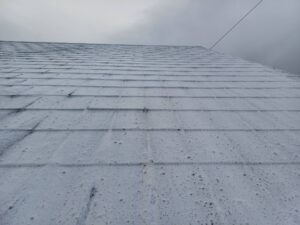
The biocide requires an original dwell time of 10-20 minutes to penetrate the surface. First effects appear within 24 hours to 14 days. Algae cell walls open and red-brown pigmentation bleeds out, which confirms the treatment is working. Complete cleansing continues over several months as natural rainfall rinses away dead material. This gradual process protects your roof for 3-5 years in typical conditions and up to 5-10 years with optimal maintenance. It reduces the need for frequent intervention by a lot.

Safe Access and Preparation

Scaffolding vs Cherry Picker: Which to Use

Safety and quality remain paramount to us. That’s why we work exclusively with proper access equipment rather than relying on ladders. Scaffolding suits long-term projects and provides stable platforms with guardrails. Our team can transport equipment and access hard-to-reach areas safely. Cherry pickers offer immediate, flexible access for smaller repairs or jobs lasting a couple of days. They have comparable safety features including fall arrest systems. Ladders prove slower and less safe. They prevent really good cleaning. Professional access methods enable us to work more safely and reach all roof areas properly. We can clean more thoroughly and deliver a higher-quality finish.

Setting Up Safe Work Areas

We establish safety barriers and demarcation at least 2 metres from roof edges where full protection proves impractical. Our team erects scaffolding or mobile access equipment according to manufacturer instructions. All equipment is maintained in safe condition. Safe access routes receive careful planning as work progresses along the roof. This preparation will give compliance with UK Health and Safety Executive regulations while protecting both our workers and your property.

Protecting Your Garden and Property

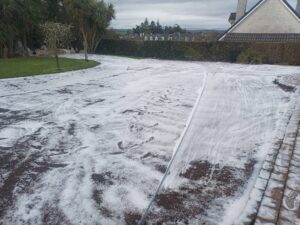
We properly prepare areas around your home before starting any job. Protective sheeting covers patios, driveways and surrounding spaces. Moss and debris fall directly onto coverings rather than your landscaping. Pre-wetting plants really well prevents them from absorbing chemical runoff. We avoid plastic coverings that restrict airflow. Instead, we use breathable materials when necessary. Bagging downspouts redirects contaminated water away from gardens. We rinse all vegetation after completion to remove residual chemicals and apply neutralising agents where needed.

Weather Conditions to Think About

Weather substantially affects scheduling. We postpone work during rain, which dilutes chemicals and creates slippery conditions. Frost makes tiles brittle. Wind exceeding 15mph poses danger to workers. Ideal conditions include dry, overcast days with temperatures between 10-18°C. Direct sunlight speeds chemical evaporation and reduces effectiveness. So we schedule roof cleaning during temperate weather patterns. Treatments will work properly and surfaces dry adequately afterwards.

Why We Avoid Pressure Washing

Pressure washing may seem like a quick solution. At PH Cleaners, we do not use aggressive pressure washing methods on roofs. The risks far outweigh any time saved.

Damage to Roof Tiles and Slates

High-pressure water strips protective coatings from concrete and clay tiles. These manufactured finishes shield materials from UV rays and moisture absorption. Tiles become porous and brittle after removal. Older tiles crack or dislodge under pressure. Surface erosion creates a rough, pitted texture that accelerates moss regrowth rather than preventing it. Damage from moss develops over years. Pressure washing can destroy a roof in a single afternoon.

Water Penetration Risks

Roofs shed water downwards through gravity and overlapping design. Pressure washing forces water upwards and sideways at 2000+ PSI and drives moisture under tiles, into laps and beneath flashing. This trapped water soaks timber battens and breathable membranes. Rot and structural damage remain hidden until leaks appear.

When Pressure Washing Might Be Acceptable

Cement, metal or tile roofs may tolerate controlled pressure washing. Asphalt shingles and natural slate should never be pressure washed whatever the pressure level.

The Soft Washing Advantage

Soft washing delivers results that last four to six times longer than pressure washing. It does not void manufacturer warranties or damage protective layers.

Conclusion

Professional roof cleaning requires the right combination of methods. PH Cleaners combines manual moss removal and soft washing biocide treatment to deliver results that last years rather than months. Safe access equipment ensures we work without risk. Good preparation and a complete clean-up protect your property throughout the process. Our goal is not just to clean your roof but to do it with long-lasting results that protect your investment.

FAQs

Q1. What’s the safest way to clean a roof without causing damage?
The safest method is soft washing. It uses low-pressure water and a biocide treatment to remove moss and algae without damaging tiles or forcing water underneath.


Q2. Should I use a pressure washer to clean my roof?
In most cases, no. Pressure washing can damage tiles, remove protective layers, and cause leaks. It’s generally not recommended for roof cleaning.


Q3. What’s the best solution for roof cleaning?
A professional biocide treatment is the most effective. It kills moss and algae at the root and helps prevent regrowth for several years.


Q4. How long does roof treatment take to work?
The treatment starts working within days, but full results appear over a few weeks to months as weather naturally cleans the roof.


Q5. Why remove moss before applying treatment?
Manual scraping removes most of the moss first, allowing the biocide to work better and giving a longer-lasting result.

House Cleaning Ballina | Professional Home Cleaning Services

House Cleaning Ballina – Complete Home Cleaning Services

House Cleaning Ballina

Are you looking for reliable house cleaning in Ballina that transforms your whole home into a spotless sanctuary? We provide complete home cleaning services covering every area, from kitchens and bathrooms to bedrooms and living spaces. Our detailed solutions include carpet cleaning Ballina, rug cleaning Ballina, upholstery cleaning Ballina, and window cleaning Ballina. No detail gets missed. We use eco-friendly cleaning techniques to achieve excellent results while minimising environmental effect. You might need one-time deep cleaning or regular maintenance. Our team tailors each service to your home’s unique needs. This piece walks you through our complete cleaning process and what’s included in each service. You’ll also discover why homeowners in Ballina trust us for their cleaning needs.

What’s Included in Our House Cleaning Services

Our house cleaning Ballina service addresses every room in your home with detailed attention. We tackle the areas that matter most to you, from high-traffic zones to spaces that need specialised care.

Kitchen Cleaning

Kitchens just need intensive cleaning due to constant use and food preparation. We wipe down all appliances, including microwaves, stovetops and oven exteriors. Our team scrubs sinks and faucets to remove buildup. We clean cabinet fronts to eliminate grease and fingerprints and mop floors to restore shine. To cite an instance, we address high-touch areas like handles and switches that accumulate bacteria throughout daily cooking activities.

Bathroom Cleaning

Bathrooms receive deep sanitization to eliminate germs and restore freshness. We scrub showers and bathtubs, including glass shower walls and showerheads. Toilets are cleaned inside and out, whilst sinks and countertops are wiped down[62]. Mirrors and fixtures are polished. Bath mats are washed and floors are mopped to complete the transformation[62]. This detailed approach will give your bathroom a hygienic, inviting feel.

Living Areas & Bedrooms

Living spaces and bedrooms benefit from careful dusting and vacuuming. We dust all furniture surfaces, clean TV screens and vacuum carpets and area rugs. Throw blankets and pillows are washed, whilst upholstered furniture receives deep cleaning. We wash all bedding including pillows and comforters in bedrooms. We clean mattresses and organise closets and dresser drawers. Vacuuming under beds and spot cleaning carpets removes hidden dirt that regular cleaning misses.

Upholstery & Carpet Cleaning Ballina

Professional upholstery cleaning Ballina and carpet cleaning Ballina services are the foundations of our offerings. Carpets and upholstery trap dirt, allergens and odours over time, especially when you have busy households and high-traffic areas. We provide deep carpet and rug cleaning Ballina that removes embedded particles your vacuum can’t reach. Sofa and couch cleaning restores fabric appearance whilst eliminating accumulated dust and bacteria.

Window Cleaning Ballina & Surfaces

Our window cleaning Ballina service covers glass surfaces, sills and blinds. We clean windows and mirrors throughout your home and deliver streak-free results. This extends to wiping down all surfaces, including baseboards, light fixtures and hard-to-reach areas that collect dust. We ensure every visible surface in your home receives proper care with our attention to detail.

Our Complete House Cleaning Process

We follow a systematic approach for every house cleaning Ballina project. This will give consistent results and complete satisfaction. Our structured process begins before we arrive and continues until you approve the final outcome.

Original Consultation & Assessment

We conduct a pre-cleaning assessment before starting any cleaning work. This helps us understand your home’s specific requirements. The assessment can happen through a phone conversation, online questionnaire, or in-person visit. We discuss your home’s size and particular areas that need special attention. Any unique features or concerns you want addressed get noted. To cite an instance, you might want us to focus extra effort on kitchen appliances or require gentle handling of delicate surfaces. This personal approach will give clear expectations from the start.

Customised Cleaning Plan

We create a tailored service plan matching your home’s needs based on the assessment. We determine which rooms require priority attention and establish appropriate cleaning frequencies. Your specific priorities for future visits get noted. This customisation means you pay only for services you need. We allocate time to areas that matter most to you.

Professional Cleaning Execution

Our uniformed team arrives on time with all supplies and equipment on the day of your appointment. We begin with a brief walkthrough to confirm priority areas and any last-minute instructions. Our cleaning follows a systematic top-down methodology. We start with dusting before vacuuming to avoid recleaning areas that are already finished[82]. We work from one corner to the next and handle dry cleaning tasks first before moving to wet cleaning of bathrooms and kitchens. This structured approach prevents spreading dirt to surfaces that are already clean.

Quality Check & Follow-Up

We invite you for a final walkthrough to review results once cleaning is complete[82]. This inspection allows you to get into each room and provide feedback on our performance right away. We address any overlooked areas before leaving. This quality assurance step will give you exactly what you pay for. It helps us understand your priorities and maintain consistency across future visits.

Why Choose Our House Cleaning in Ballina

Choosing the right cleaning service makes all the difference between surface-level tidying and genuinely transformative results. Our house cleaning Ballina stands apart through four key advantages that homeowners value consistently.

Full-Service Cleaning Solutions

We offer a detailed range of services spanning regular domestic cleaning, deep cleaning, carpet cleaning Ballina, upholstery cleaning Ballina, and specialised tasks like end of tenancy and Airbnb preparation. Our expertise extends to window cleaning Ballina and rug cleaning Ballina. You get everything under one roof. More than that, we’re equipped to handle sensitive situations that require discretion and specialised care. This breadth means you won’t juggle multiple contractors for different cleaning needs.

Flexible & Reliable Service

Our cleaning schedules adapt to your lifestyle rather than forcing you into rigid timeframes. Services can be adjusted based on frequency—daily, weekly, fortnightly, or monthly—or specific requirements like spring cleaning or post-construction work. We show up when expected and complete work with minimal disruption to your routine. Therefore, you maintain control over when and how often we service your property, with the reliability to trust we’ll deliver consistently.

Safe & Eco-Friendly Products

We use biodegradable and eco-friendly cleaning products that guarantee a safer environment for your family and pets. These plant-based solutions reduce chemical exposure and perform just as well as traditional alternatives. Our choice of non-toxic products lines up with environmental responsibility without compromising cleaning power. Your home becomes cleaner and healthier at the same time.

Experienced & Trained Team

Our trained staff bring extensive experience to every job. We employ professional-grade equipment and systematic methods to achieve results beyond what household tools can accomplish. All bookings are covered by our 100% satisfaction guarantee. This combination of expertise, proper tools and accountability means you receive exceptional service every time.

Book Your House Cleaning in Ballina Today

Getting started with house cleaning Ballina takes just minutes through our optimised booking system.

Easy Booking Process

Book online through our website to get instant quotes. Select your property size and choose your service type (deep clean, regular cleaning, or specialist services like carpet cleaning Ballina). Add extras such as window cleaning Ballina or upholstery cleaning Ballina and receive your exact price before confirming. The whole process takes under two minutes. Call us to discuss your specific needs and schedule an appointment on the spot. We respond within 60 minutes during business hours. Email inquiries receive detailed quotes within 24 hours.

Transparent Pricing

Our pricing remains fixed and transparent with zero hidden fees. The quote you receive online or over the phone is the final amount you pay. No surprise charges appear once we arrive at your property. You know exactly what you’re paying before booking.

Customer Satisfaction Guarantee

We stand behind our work with a complete satisfaction guarantee. We return to re-clean those areas at no charge if any part of your cleaning doesn’t meet expectations. Report concerns within 24 hours and we’ll address them right away. Our commitment extends beyond completion until you’re satisfied with results.

Conclusion

A spotless home shouldn’t require hours of your time. Our house cleaning Ballina service handles everything from routine maintenance to deep carpet and upholstery cleaning, all whilst using eco-friendly products that protect your family. You can trust us to deliver outstanding results every time with transparent pricing and our satisfaction guarantee. Book online today and experience the difference professional cleaning makes without the stress.

FAQs
Q1. What areas of my home are covered in a complete house cleaning service? A complete house cleaning service covers all major areas including kitchens (appliances, sinks, cabinets, floors), bathrooms (showers, toilets, sinks, mirrors), living areas and bedrooms (dusting, vacuuming, bedding), plus specialist services like carpet, upholstery, and window cleaning to ensure every corner of your home is thoroughly cleaned.

Q2. How does the house cleaning process work from start to finish? The process begins with an initial consultation to assess your home’s specific needs, followed by creating a customised cleaning plan. On the scheduled day, a professional team arrives with all equipment, works systematically through your home using a top-down approach, and concludes with a quality check walkthrough where you can provide feedback and ensure complete satisfaction.

Q3. Are the cleaning products used safe for children and pets? Yes, eco-friendly and biodegradable cleaning products are used that are safe for families and pets. These plant-based, non-toxic solutions effectively clean your home whilst reducing chemical exposure and environmental impact, ensuring a healthier living space without compromising on cleaning power.

Q4. How quickly can I book a house cleaning appointment? You can book instantly online in under two minutes by selecting your property size and services needed. Alternatively, phone enquiries are answered within 60 minutes during business hours for immediate scheduling, whilst email requests receive comprehensive quotes within 24 hours.

Q5. What happens if I’m not satisfied with the cleaning results? A complete satisfaction guarantee ensures that if any aspect of the cleaning doesn’t meet your expectations, the team will return to re-clean those areas at no additional charge. Simply report any concerns within 24 hours, and they’ll be addressed promptly until you’re fully satisfied.

House Cleaning Ballina


House Cleaning Ballina

Carpet Cleaning Ballina 0896103281

Carpet Cleaning Ballina – Professional Cleaning Services for Homes & Businesses
carpet cleaning Ballina

Professional carpet cleaning in Ballina keeps your home or business clean without stress or hassle. Dirt, stains and allergens build up over time and affect appearance and indoor air quality. Our expert team at PH Cleaners provides cleaning solutions for carpets, rugs, upholstery and chimneys throughout Ballina.

You get great results with advanced equipment and eco-friendly products. We handle carpet cleaning Ballina NSW, rug cleaning Ballina, upholstery cleaning Ballina and chimney cleaning Ballina. Our services extend to carpet cleaning Ballina Ireland and carpet cleaning Ballina Mayo. Homes and businesses stay fresh, healthy and safe.

This piece walks you through why our cleaning services stand out and the range of solutions we offer. Our professional cleaning process leaves no corner untouched.

Why Choose Our Cleaning Services in Ballina?

The right cleaning service gives you confidence that you work with professionals who value quality, safety and transparency. Our approach to carpet cleaning Ballina and related services centres on four core principles that set us apart from other providers in the region.

Experienced and Certified Cleaners

Our team consists of trained professionals who hold memberships with recognised industry organisations including the NCCA and IICRC. These memberships require diligent study and successful completion of rigorous exams. Our staff possesses the technical knowledge needed for effective carpet cleaning Ballina NSW and carpet cleaning Ballina Ireland. We don’t cut corners; we clean them and take all the time needed to clean all areas. Each member of our team receives ongoing training to stay current with the latest cleaning techniques and equipment handling procedures.

Eco-Friendly Cleaning Products

We prioritise your family’s health and environmental responsibility. We use biodegradable products that are safe for children and pets. Our eco-friendly cleaning solutions are free from harsh chemicals. They prevent oral toxicity, dermal toxicity and inhalation hazards. Especially when you have rug cleaning Ballina and upholstery cleaning Ballina, we select products with minimal Volatile Organic Compounds (VOCs). Cleaner indoor air quality is the result. These green-certified solutions work efficiently and contribute to reduced pollution. You get decreased exposure to harmful substances commonly found in traditional cleaners.

Affordable Pricing with No Hidden Costs

Transparent pricing is the foundation of our service model. Market rates for carpet cleaning and related services in Ballina range from €30-50 to €120+ depending on scope and complexity. We provide honest pricing before we start work. You’re never presented with unexpected extras. You’ll know the full price upfront, with no hidden charges added later. This straightforward approach allows you to budget for chimney cleaning Ballina or any other service you require.

Fully Insured and Reliable Service

We carry insurance coverage that protects both your property and our team. More, we respect your time and maintain strict punctuality. If we’re running late, we’ll phone to let you know. Our carpets and upholstery dry within four to eight hours of cleaning. Disruption to your daily routine is minimal. Our reliable scheduling and professional approach ensure consistent quality across all our services, from carpet cleaning Ballina Mayo to commercial cleaning solutions.

Our Services

We offer specialised cleaning solutions that address every surface and space in your property. Each service targets specific cleaning challenges and uses methods suited to the material and level of soiling.

Carpet Cleaning Ballina

Our carpet cleaning service removes embedded dirt, allergens and stubborn stains through steam cleaning techniques. We handle carpet mould removal, deep cleaning, pet odour removal and stain removal. The extraction system removes soil from your carpet and whisks it away into the cleaning machine. This prevents mildew or over-wetting. Carpets should dry within 3-5 hours after cleaning. Drying periods can be affected by ventilation and carpet type.

Rug Cleaning Ballina

We clean wool, silk, cotton, jute, polypropylene, nylon and blended rugs. Our process begins with fibre analysis and damage examination.  Rugs are then placed in a spinning machine to remove excess water before drying on our racking system. Standard turnaround takes 3-5 days depending on size and cleaning method.

Upholstery Cleaning Ballina

We clean sofas, armchairs, mattresses and all fabric materials to serve both domestic and commercial clients. Our systems reduce mould, bacteria, pet hair and dust mites whilst deep cleansing everyday build-up.

Chimney Cleaning Ballina

Chimney sweeping removes soot, creosote and debris that accumulate over time. We sweep all types of traditional and modern installations. This includes smaller diameter flues, solid fuel stoves and lined chimneys. Services in Ballina range from €60-100 for one-time cleaning to €150+ for commercial work.

Commercial Cleaning Services Ballina

We provide cleaning solutions for offices, hotels, restaurants, schools, healthcare facilities, manufacturing sites and post-construction environments.

Our Cleaning Process

Our systematic approach to carpet cleaning Ballina will give consistent results for jobs of all types. Each phase addresses everything in the cleaning challenge, from original assessment through final inspection.

Step 1: Original Consultation and Assessment

We begin by asking targeted questions about your carpet type, at the time it last received professional cleaning, and any specific concerns you have. Our technicians then conduct a detailed walk-through and identify carpet material (synthetic, wool, or blended), dirt levels, high-traffic zones and any residues from previous DIY products. This inspection is the foundation for everything that follows. For rug cleaning Ballina, we get into fibre construction methods and materials. Upholstery cleaning Ballina requires assessment of fabric delicacy and current condition.

Step 2: Customised Cleaning Plan

Based on the assessment, we determine which eco-friendly solutions to use, whether pre-treatment is needed and how many steam cleaner passes your carpets require. For carpet cleaning Ballina NSW and carpet cleaning Ballina Ireland, we customise every plan to match your specific circumstances rather than applying a generic approach. This tailored strategy addresses your space’s unique challenges, from pet accidents to stubborn traffic lanes.

Step 3: Professional Cleaning Execution

We start by identifying the fabric and conducting pH tests. Our commercial vacuum cleaner removes 80% of dry soil before any moisture is introduced. We then apply professional spotters to paint, spillages and pet accidents. Pre-spray carpet cleaner is then applied and agitated into fibres. Our powerful steam cleaning eliminates lingering dirt and bacteria. Air dryers follow for rapid drying.

Step 4: Quality Inspection and Follow-Up

Our technician walks through the area with you once cleaning concludes. You can inspect the work, ask questions and receive ongoing carpet care advice. We recommend when to schedule your next clean based on carpet type and foot traffic patterns.

Book Cleaning Services in Ballina Today

Ready to experience spotless carpets, refreshed upholstery, or a safely maintained chimney? Booking our professional cleaning services in Ballina takes just one phone call. We’ve simplified the process to get your property cleaned without delays.

Contact us at 0896103281 for a free, no-obligation quote tailored to your specific needs. Whether you require carpet cleaning Ballina NSW, rug cleaning Ballina, upholstery cleaning Ballina, chimney cleaning Ballina, or any combination of our services, we’ll provide accurate pricing before scheduling your appointment. Our team serves both carpet cleaning Ballina Ireland and carpet cleaning Ballina Mayo locations and brings the same high standards to every job.

When you phone, we’ll discuss your cleaning requirements and any particular concerns you have. We’ll arrange a convenient time that fits your schedule. Our quick response times mean you won’t wait weeks for service. Most appointments are confirmed within 24-48 hours of original contact.

Clients appreciate our straightforward booking process and transparent communication. We’ll confirm your appointment, arrive on time, and complete the work to your satisfaction. Reach out with questions about our carpet cleaning Ballina or other services. Our friendly staff provides expert guidance on which solutions best suit your home or business needs.

Call 0896103281 now to schedule your cleaning service in Ballina.

Conclusion

Professional carpet cleaning makes a difference to your home or business environment. Without doubt, our complete services deliver exceptional results and prioritise your family’s health and safety through eco-friendly products. We’re ready to help whether you need carpet cleaning Ballina, rug cleaning Ballina, upholstery cleaning Ballina, or chimney cleaning Ballina. Call us at 0896103281 for a free quote. Experience the change that professional cleaning brings to your property.

FAQs

Q1. What are the typical costs for carpet cleaning services? Carpet cleaning prices vary depending on the scope and complexity of the work. Generally, you can expect to pay between €30-50 for standard cleaning services, whilst more extensive commercial work may cost €120 or more. Single room cleaning typically ranges from €55-€65, and double room cleaning costs approximately €70-€80.

Q2. How long does it take for carpets to dry after professional cleaning? Carpets typically dry within 3-5 hours after professional steam cleaning, though some may take up to 4-8 hours depending on ventilation, carpet type, and environmental conditions. The extraction system used during cleaning removes excess moisture to prevent over-wetting and mildew formation.

Q3. What types of rugs can be professionally cleaned? Professional rug cleaning services handle a wide variety of materials including wool, silk, cotton, jute, polypropylene, nylon, and blended rugs. The cleaning process involves fibre analysis, dust removal, colour fastness testing, and specialised shampooing techniques tailored to each rug type.

Q4. Are eco-friendly cleaning products as effective as traditional cleaners? Eco-friendly cleaning products are highly effective whilst being safer for children, pets, and the environment. These biodegradable solutions contain minimal Volatile Organic Compounds (VOCs), prevent exposure to harsh chemicals, and maintain excellent cleaning performance without compromising indoor air quality.

Q5. How often should chimneys be professionally cleaned? Professional chimney sweeping removes dangerous soot, creosote, and debris that accumulate over time. Regular cleaning is essential for safety and efficiency, with services available for all types of traditional and modern installations, including solid fuel stoves and lined chimneys.

How to Clean Roof Tiles Safely | Remove Moss & Algae

How to Clean Roof Tiles Safely Without Causing Damage
how to clean roof tiles

Roof tiles accumulate dirt, moss, and algae over time. Knowing how to clean roof tiles helps you avoid damage that can get pricey. Many homeowners worry about cracking tiles or creating leaks when they attempt to restore their roof’s appearance. Using the wrong techniques or harsh pressure washing can strip protective coatings and weaken the tiles themselves.

We’ve created this complete guide to help you clean your roof in a safe and effective manner. You’ll find how to clean roof tiles without pressure washer, how to clean roof tiles of moss using gentle methods, and how to clean roof tiles before painting to ensure the paint adheres well. We’ll walk you through safety precautions and the right tools and materials. You’ll also learn step-by-step cleaning methods and preventative measures that keep your roof tiles in excellent condition for years.

Safety Precautions Before You Start Cleaning

Assess Your Roof Condition First

Walk around your property before you begin cleaning. Look at the roof from ground level. Look for signs of moss, algae and lichen growth. These hold moisture against the surface and deteriorate tiles over time. Check for missing, cracked or curling tiles that show existing damage. These issues prevent adequate protection and allow water penetration. This leads to rot and mould growth.

Look for accumulated debris such as leaves and twigs. They trap moisture and create ideal conditions for further deterioration. Repair takes priority over cleaning if your roof covering appears aged, brittle or shows signs of active leaking. We recommend having your roof inspected twice per year at minimum. Spring and autumn are ideal times, along with periods following major storms.

Safety Equipment You Need

Working at height poses real danger. Falls rank among the most common causes of roofing injuries. You need proper fall protection equipment before attempting any roof work.

A complete safety kit has a harness and fall arrest system with secure anchor points. The 3M Protecta Fall Protection Roofers Set provides a harness, anchor, rope grab with lanyard and 10-metre lifeline. All are designed for a weight capacity of 140 kilogrammes. You also need a sturdy ladder placed on flat, stable ground and secured before use.

Wear non-slip shoes with good grip. Wet surfaces turn slippery and dangerous. Protective equipment such as gloves and safety glasses shields you from debris and sharp objects. Roof anchors provide additional security points for your harness system on steep roofs.

Weather Conditions to Avoid

Never attempt roof cleaning during high winds, heavy rain or freezing conditions. Bad weather creates slippery, dangerous surfaces that multiply accident risk. Wet or icy roofs compromise footing and stability. Strong winds can cause loss of balance.

Early nightfall limits working time during winter months. Cold temperatures make materials more fragile. Plan your cleaning for dry, calm days with good visibility.

When to Call a Professional

Roof cleaning requires specialised training and equipment to traverse height risks safely. Professionals use safety harnesses the right way. They understand proper ladder techniques and handle steep slopes with experience. Hire a qualified specialist if you feel uncomfortable with heights or uncertain about the process. Professionals also assess your roof for damage during cleaning. They detect problems like loose tiles or damaged flashing early.

Tools and Materials for Safe Roof Tile Cleaning

Simple Cleaning Tools

The right tools prevent tile damage during the cleaning process. Soft-bristle brushes and brooms remove dirt and moss without scratching surfaces. A trowel works well to lift away dried moss and debris when you scrape manually, especially on dry days when materials aren’t stuck to tiles with moisture.

Telescopic poles extend your reach and keep you safely on the ground. The SkyScraper Roof Moss Remover by SkyVac eliminates the need to climb onto your roof. Wire brushes with carbon steel bristles access areas that blade systems cannot reach, such as edges and joins. The OVA8 Roof Scraper offers eight different blade profiles to match various tile shapes.

Low-pressure washers clean tiles without causing harm. High-pressure washing can crack tiles or dislodge them entirely. Professionals often use specialised low-pressure cleaning systems that ensure deep cleaning without compromising the roof’s integrity.

Cleaning Solutions That Won’t Damage Tiles

Choose biodegradable and non-toxic products that protect both your roof and surrounding plants. Roof-safe solutions should be non-acidic and non-bleach formulations labelled for pitched roofs. Bio Cleanze, diluted 25:1, targets moss and algae while remaining environmentally safe.

Roof Clean Xtreme combines four powerful active cleaning ingredients with a biocide to inhibit further growth and treats approximately 40 square metres per 5 litres. Clean & Protect Roofs functions as both a cleaner and sealer and continues to work for up to 5 years after application.

Equipment for Different Tile Types

Concrete and slate tiles require delicate approaches with stiff but soft-bristle brushes attached to telescopic poles. Artificial slates need gentle scraping to avoid damaging their fragile surfaces. Clay tiles benefit from fast-acting cleaners like Roof Clean Xtreme that work without intense pressure washing.

Step-by-Step Methods to Clean Roof Tiles Without Damaging Them

How to Clean Roof Tiles Without a Pressure Washer

You can clean roof tiles without high-pressure equipment using several methods. A leaf blower removes surface debris safely when your roof only has leaves, feathers and twigs without embedded grime. Soft brushing with a stiff-bristle brush removes most dirt from tile roofs when you scrub gently in sections for a more complete cleaning.

Steam cleaning provides a deep clean that pressure washers struggle to achieve on tile roofs safely. Zinc strips offer a passive cleaning solution. You install them at the roof’s peak and zinc particles run down tiles when it rains, cleaning without requiring ladders. Zinc oxide removes embedded filth from tile surfaces as an alternative.

Using Low-Pressure Water Systems

Soft washing combines low-pressure water with specialised cleaning solutions and eliminates moss, algae and mildew without damaging tiles. True soft washing operates at 40-100 PSI (2.5-7 bar), safe for all roof tile types when paired with correct chemicals and dwell time. Standard jet washers remain too powerful even on low settings in contrast.

You apply eco-friendly cleaning solution evenly across the roof and allow it to penetrate for 10-15 minutes to loosen grime, then gently rinse with low-pressure water. Work downward from the top to prevent water getting trapped under tiles.

Manual Cleaning Techniques

A trowel removes buildup on dry days when moisture won’t cause dirt to stick. You scrub gently using circular motions with soft-bristled brushes to dislodge algae and stains, then rinse to prevent residue buildup.

Chemical Treatment Application

Biocide treatments use chemicals like Didecyl Dimethyl Ammonium Chloride and destroy bacteria, mould and algae. You apply biocide on bone-dry substrate and never wet tiles beforehand. Spray evenly across moss and focus on thickest areas, then let sit for recommended time before rinsing. Oxygen bleach treats organic stains with less harm than chlorine bleach. Test solutions on small, inconspicuous areas first.

How to Clean Roof Tiles of Moss and Other Common Problems

Removing Moss and Algae Safely

Moss on roof tiles is rarely a problem unless it blocks gutters, outlets and drainage points. But moss is porous and soaks up water like a sponge. It can lift and crack tiles while accelerating wear. Manual removal using a soft-bristle brush attached to a telescopic pole works for light to moderate growth. Brush down the roof slope, never upwards, to prevent lifting tiles. Apply specialist biocide like Benz Softwash after manual removal. The government has approved it and it kills spores to prevent regrowth. SmartSeal Xtreme works without scrubbing when mixed 1:1 with water for heavy moss and lichen.

Dealing with Stubborn Stains

Algae and fungal growth form a biofilm that bonds to tile surfaces and causes black staining. Low-pressure soft washing uses chemistry to break down organic growth at the root. It neutralises spores and prevents rapid regrowth. This method preserves tile coatings without relying on mechanical force. Adequate dwell time and correct dilution rates determine long-term results.

How to Clean Roof Tiles Before Painting

Remove all moss, algae, dirt and debris before painting to prevent interference with paint adhesion. Apply eco-friendly cleaning solutions to avoid harmful runoff. A well-cleaned roof boosts painting outcomes and extends paint longevity.

Preventing Future Growth

Install copper or zinc strips along the ridge line. These metals release ions that inhibit moss growth when it rains. Trim overhanging branches to increase sunlight exposure and improve airflow. Keep gutters clear to prevent water backing up onto roof edges. Apply protective sealers like SmartSeal Roof Tile Sealer. It creates a water repellent barrier and protects against green algae for over 10 years.

Conclusion

Clean roof tiles boost your home’s appearance and extend their lifespan. The methods that we’ve shared prioritise safety and effectiveness over harsh techniques that cause damage. You can choose manual scrubbing or soft washing, but what matters most is gentle application and proper equipment. Regular maintenance and preventative measures reduce future cleaning needs for the most part. Professional cleaners provide experienced solutions without the risk if you feel uncertain about working at height.

FAQs

Q1. Simplest method
Manual cleaning with a brush or trowel. Telescopic tools allow safe cleaning from the ground.


Q2. Vinegar use
Vinegar is safe, eco-friendly, and won’t damage tiles when used correctly.


Q3. Professional solutions
Professionals use soft wash chemicals with biocides or sometimes bleach-based solutions for tough stains.


Q4. Prevent moss
Use copper/zinc strips, trim branches, keep gutters clean, and apply sealers.


Q5. Pressure washing
High pressure can damage tiles. Use low pressure (40–100 PSI) instead.

how to clean roof tiles how to clean roof tiles

How to Clean Roof Gutters Safely | Step-by-Step Guide

How to Clean Roof Gutters Safely | Step-by-Step Guide

how to clean roof gutters

Clogged gutters can lead to water damage, foundation problems, and repairs that get pricey, yet many homeowners put off this maintenance task. Learning how to clean roof gutters turns this daunting chore into a manageable project you can tackle.

Gutter cleaning seems intimidating, but we’re here to show you it doesn’t have to be. We’ll walk you through the safety equipment you need, the tools required, and a step-by-step cleaning process in this piece. We’ll also cover methods for how to clean gutters without getting on roof and how to clean roof gutters without a ladder. You have options that suit your comfort level and situation.

Safety Equipment and Preparation Before Cleaning

Proper preparation separates a safe job from a potential risk when you attempt to clean roof gutters. Gather the right equipment and assess conditions to protect yourself from injury and make the whole process smoother.

Protective gear you need

Start with sturdy, slip-resistant shoes that provide good traction on ladder rungs. Wet surfaces can be treacherous, so footwear with gripping treads prevents slipping. Durable work gloves protect your hands from sharp metal edges, debris, and any animals or insects hiding in the gutters. Safety glasses or goggles shield your eyes from falling particles when you look up at overhead components. These simple items are the foundations of safe gutter maintenance and shouldn’t be skipped.

Ladder safety basics

The right ladder makes all the difference. We recommend extension ladders for both single-storey bungalows and two-storey houses rather than step ladders, which force you to stretch dangerously to one side. Your ladder must be rated for your weight plus additional load capacity.

Position your ladder using the 4-to-1 rule: for every four feet of height, place the base one foot away from the wall. This angle provides optimal stability. Never rest the ladder on the gutter, as uPVC guttering isn’t designed to support that weight. Use a ladder stand-off bracket instead that fits over the top two rungs and holds the ladder about 30cm from the wall. This accessory spreads the load and gives you better working position.

Weather conditions to check

Only clean gutters in clear, dry weather. Wind threatens ladder stability, whilst rain makes surfaces slippery and dangerous. Ensure your ladder is dry before climbing.

Ground-level gutter inspection

Walk around your property and examine the gutters from ground level before climbing. Look for visible damage, sagging sections, or areas where debris has accumulated heavily. This original assessment helps you plan your approach and identify potential problem areas.

Tools and Materials Required

The right tools reshape how you clean roof gutters and turn a frustrating ordeal into a simple task. You’ve already gathered your safety equipment. Now you’ll need specific cleaning implements to remove debris.

Simple cleaning tools

A gutter scoop serves as your main tool to remove leaves and debris. These scoops feature a curved design that fits the gutter profile and include drainage holes that let water pass through whilst retaining solid matter. Some homeowners fashion homemade versions from plastic milk jugs, though purpose-built scoops work better.

You’ll need a bucket with a carry handle to collect the debris you remove. A garden hose with a high-pressure nozzle flushes remaining dirt after scooping. Stubborn grime stuck to gutter surfaces requires a gutter brush with an extendable handle that scrubs away residue and cobwebs.

Optional equipment that makes cleaning easier

Telescopic gutter cleaning poles allow you to clean gutters without getting on roof and reach heights up to 12 metres from ground level. These poles use lightweight carbon fibre construction, with each 5-foot section that weighs around 350 grammes.

Gutter vacuum systems provide the quickest way to clean. These vacuums use strong suction to remove debris from ground level and eliminate ladder risks. Those who already own pressure washers can connect gutter cleaning attachments to their existing equipment. The Kärcher system uses a cleaning sled with backward-facing nozzles that propel it through gutters and flush debris.

What to avoid using

Never use garden rakes or shovels to clean gutters, as they damage guttering systems. Power tools require careful handling. Pressure washers and rotating agitators will ruin gutters if used without care. Avoid acidic cleaning chemicals that corrode gutter materials over time.

Step-by-Step Process to Clean Roof Gutters

Once you have your equipment and are ready, the actual cleaning process follows a step-by-step method that keeps you safe and ensures complete results.

Step 1: Position your ladder securely

Set up your ladder so the stabilisers rest above the gutter on the roof rather than on the guttering. Begin near a downspout, as this location provides a natural starting point for debris removal. Verify the ladder remains stable before climbing.

Step 2: Remove large debris by hand

Clear large debris such as leaves and twigs by hand with your gloves on. Place these materials into your bucket. This first pass removes the bulk of accumulated matter and prevents items from clogging your vacuum or scoop.

Step 3: Scoop out smaller debris

Use your gutter scoop or garden trowel to remove compacted debris that won’t come out by hand. Work along each section and scrape the bottom and sides of the gutter channel. Empty your scoop into the bucket often to maintain a clear working space.

Step 4: Flush gutters with water

Fit your garden hose with a spray nozzle and flush the remaining dirt from the gutters. Start at the far end and work towards the downspout. A strong stream clears lingering particles, but avoid spraying underneath roof shingles.

Step 5: Check and clear downspouts

Run water through the downspout to test flow. If water backs up into the gutter, you have a blockage. Try tapping on the downspout as you descend the ladder one rung at a time. Stubborn clogs may require a handheld auger fed into the downspout opening and turned clockwise.

Step 6: Inspect for damage or leaks

Check for standing water in the gutters once you finish cleaning. Gutters should slope 1/4-inch for every 10 feet towards the downspout. Examine seams and corners for leaks. Look for rust patches, sagging sections, or gutters pulling away from the roofline.

How to Clean Gutters Without Getting on Roof

Not everyone feels comfortable working at height, and you don’t need to climb onto your roof to maintain gutters. Several ground-level methods allow you to clean gutters without getting on roof and achieve professional results.

Using extension poles from the ground

Telescopic gutter cleaning poles extend up to 310 centimetres. This enables you to reach roof gutters from ground level. These systems feature curved brush heads with hard nylon bristles that reach difficult areas and remove leaves and debris from drainage systems. The 90-degree brush head design adapts to various heights and inaccessible spots. The adjustable length suits different cleaning environments. You work by extending the pole to match your gutter height. Move the brush head along the gutter channel to dislodge accumulated matter.

Gutter cleaning attachments for hoses

Pressure washer systems offer powerful cleaning from ground level. The Kärcher system uses a cleaning sled placed in the gutter and connected to your pressure washer with a 20-metre high-pressure hose. Two nozzles on the sled’s underside eject water backwards. This propels the sled forward and flushes debris. Garden hose attachments, known as gutter cleaning wands, connect to standard hoses and direct water flow to push debris towards downspouts. Water pressure dislodges stubborn dirt, making this method the quickest way to flush thoroughly.

Leaf blower method without a ladder

Leaf blower gutter kits transform your existing blower into a ground-level cleaning tool. Extension tubes attach to handheld blowers and extend beyond ten feet. This provides sufficient reach for most residential gutters. The EGO gutter attachment measures 8.3 feet in length with an adjustable nozzle. Worx kits offer 11-foot reach and weigh only 2.6 pounds. These work best on dry days, as wet debris sticks together and resists air flow. Wear goggles, as the blower throws debris into the air.

Conclusion

Gutter maintenance protects your home from water damage and repairs that get pricey. The task becomes straightforward once you have the right safety equipment and tools. You can climb a ladder or use ground-level methods. We’ve shown you multiple approaches that suit your comfort level. Choose the method that works best for your situation and make gutter cleaning part of your home maintenance routine to prevent future problems.

FAQs

Q1. Safety precautions
Wear non-slip shoes, gloves, and safety glasses. Work only in dry weather. Use a stable ladder (4:1 rule) and keep 3 points of contact. Avoid top 3 rungs.


Q2. Basic tools
Gutter scoop, bucket, garden hose with nozzle, and extendable brush for stubborn dirt.


Q3. Cleaning without ladder
Use telescopic poles, hose attachments, or leaf blower kits to clean safely from the ground.


Q4. Blocked downspout
Flush with water. If clogged, tap the pipe or use a drain auger to clear blockage.


Q5. What to avoid
Don’t use rakes or harsh chemicals. Be careful with pressure washers. Never place ladder on gutters.

how to clean roof gutters how to clean roof gutters how to clean roof gutters

How to Clean Moss from Roof

How to Clean Moss from Roof Safely and Effectively in 2026

how to clean moss from roof

Knowing how to clean moss from roof surfaces matters for your home’s structural integrity and helps prevent expensive damage. Moss might appear harmless, but it traps moisture against your roof tiles. This leads to deterioration, leaks, and reduced lifespan of your roofing materials. In fact, removing moss requires the right techniques, safety measures, and cleaning solutions to get results without causing further harm.

This complete guide walks you through everything about moss removal. You’ll learn why moss grows and how to prepare for safe cleaning. We’ll share step-by-step methods for cleaning roof tiles the right way. Prevention strategies to keep your roof moss-free for years will also be covered.

Understanding Moss Growth on Your Roof

What Causes Moss to Grow on Roofs

Moss spreads through spores released into the air. These spores settle on roof surfaces and take root when conditions prove favourable. The main culprits are moisture and shade. Roofs exposed to rain or dew, especially when they take extended periods to dry out, create the perfect breeding ground for moss spores to germinate and flourish.

North-facing sections of your roof face the highest risk. They receive minimal sunlight throughout the day. This reduced sun exposure prevents proper drying and maintains the damp conditions moss requires. Overhanging trees compound the problem by providing shade and trapping moisture from rainfall.

Your roof tile’s material plays a most important role. Clay and concrete tiles are susceptible due to their porous surfaces, which absorb and retain moisture. Roofing materials become rougher and more porous as they age. This gives moss spores better grip and more opportunities to spread. Poor ventilation in your attic can also trap moisture in roofing materials and create an ideal environment for moss establishment.

Signs Your Roof Has a Moss Problem

Catching moss growth early saves considerable expense. You’ll notice small, light green specks appearing on shaded or damp areas of your roof in the early stage. These specks may look like simple discolouration or dirt, but they signal the beginning of colonisation.

These specks grow into more prominent patches with a thicker, fuzzy texture as moss develops. You might observe parts of your roof that never seem to dry, even days after rainfall. Moss is holding moisture against the shingles if accessible areas feel soft or spongy when walked on.

Advanced moss growth forms thick, spongy mats that cover much of your roof. Check your gutters during cleaning. Excessive grit or granules collecting there indicates moss is damaging your roof’s protective layers. Small, fuzzy patches appearing between shingles often go overlooked. They expand faster and lift tiles as they grow.

Damage Moss Can Cause to Your Roof

Moss functions like a sponge. It absorbs and retains water against your roof surface. This constant dampness degrades roofing materials and leads to premature wear and shortened lifespan. The moisture trapped by moss can cause wood rot in your roof’s timber structure and compromise insulation effectiveness. This results in higher energy bills.

Moss penetrates between and underneath tiles or shingles as it expands. This loosens and lifts them. Gaps form where water seeps beneath the roofing material and makes your roof vulnerable to leaks and water damage. Lifted shingles also become more susceptible to wind damage during storms.

Moss runoff clogs gutters and downspouts. This leads to water overflow that damages your home’s exterior walls and foundation. Dried moss and accumulated debris on roofs present a fire hazard. They can ignite if embers from wildfires or other sources land on them.

Safety Preparation and Equipment You’ll Need

Preparation separates safe, effective cleaning from disaster before you tackle moss removal. Heights carry real risks. Falls from roofs rank among the leading causes of DIY injuries.

Essential Safety Gear for Roof Cleaning

You need safety harnesses when working on roofs. A fall arrest system with harness and roof anchors prevents fatal falls. Non-slip footwear provides traction on wet, moss-covered surfaces. Hard hats protect against falling debris.

Eye protection is vital when you apply cleaning solutions or use equipment that might cause debris to fly. Safety goggles or face shields guard against chemical splashes and flying particles. Wear chemical-resistant gloves and a vapour-resistant mask with philtre when handling moss killers and biocides. This prevents skin contact and inhalation. Professional-grade treatments require full PPE. This has impermeable gloves, chemical-resistant clothing and a full face shield.

Tools and Cleaning Products Required

Ground-based roof scrapers are the safest approach. You can clean from scaffolding or ground level without climbing onto the roof. A sturdy, extendable ladder with stabilisers provides access when needed. Soft-bristled brushes prevent damage to tiles. Garden hoses rinse away loosened moss.

Specialist biocides kill moss spores and prevent regrowth better than household alternatives. Application equipment has spray bottles or watering cans for smaller areas. Larger projects may require professional-grade pump sprayers.

When to Hire a Professional Instead

Professional roof cleaners bring trained expertise, specialised equipment and liability insurance. They use soft washing techniques that protect tile integrity and eliminate growth at the root. Professionals eliminate the safety risks DIY methods present if your roof is steep, multi-storey or shows signs of structural damage. Their fall protection systems, proper training and experience working with different roof materials make them the sensible choice for challenging projects.

Step-by-Step Guide: How to Clean Moss from Roof

Removing moss from your roof just needs methodical execution. Each technique suits different scenarios, moss severity levels and roofing materials.

Method 1: Manual Removal with a Brush

You should scrape moss with a soft-bristle brush or plastic scraper. Work from the ridge downwards to prevent lifting tiles. Metal tools scratch and break tiles, so avoid them. Clear large clumps first with a trowel and collect debris in buckets to prevent gutter blockages. Wet the mossy areas with a garden hose on low pressure before brushing. This makes removal easier and prevents spore dispersal.

Method 2: Using Chemical Moss Killers

You can apply moss-killing solutions containing zinc sulphate or potassium salts with a garden sprayer on dry, calm days. The product should sit for 15-30 minutes as recommended. Rinse with water to wash away dead moss. Cover surrounding plants before spraying since these chemicals harm vegetation[152].

Method 3: Pressure Washing Your Roof

Low-pressure settings work best. Keep the nozzle at least 12 inches from tiles. High pressure strips protective granules and forces water underneath tiles. This causes serious damage. Work from top down. This method suits professionals who understand correct techniques.

Method 4: Natural Cleaning Solutions

White vinegar and water mixed in equal parts can be applied to moss. Leave it for several hours before scrubbing. You can also sprinkle baking soda over damp moss and let it sit for days before brushing.

Best Time of Year to Clean Moss

Late spring through early autumn, May to September, provides optimal conditions. Dry spells last longer and temperatures stay warmer. Roofs dry faster during these months.

Preventing Moss from Growing Back

Once you’ve cleared moss from your roof, prevention becomes paramount. Multiple strategies work together and keep surfaces clean longer.

Install Zinc or Copper Strips

Metal strips installed near your roof ridge release ions as rainwater flows over them. This inhibits moss growth below. Install zinc strips under ridge caps on both sides and make sure they protrude slightly to contact water. Each strip protects about 15 feet down the roof slope. Roofs extending beyond this distance need additional horizontal strips midway down.

Zinc strips last 20 years or more if installed correctly. Copper offers superior coverage and reaches 15-20 feet with more potent ion release. Both metals work best on smooth roof profiles with steeper pitches. Install strips at least 15 centimetres wide to get the best results.

Trim Overhanging Tree Branches

Keep a gap of 6-10 feet between branches and your roofline. This distance reduces shade and prevents debris accumulation that traps moisture. Trim branches back at least one metre from the roof. This speeds drying after rainfall.

Improve Roof Drainage and Ventilation

Clear gutters twice yearly, in spring and autumn, to prevent water pooling. Make sure soffit vents remain unobstructed and think about adding tile vents if you’ve converted your loft. Proper attic ventilation regulates moisture levels and reduces condensation on roof surfaces.

Regular Roof Maintenance Schedule

Clean roofs every 1-2 years in moderate conditions. Homes in damp climates or surrounded by trees need annual cleaning. Schedule inspections after storms to remove debris quickly.

Conclusion

Moss removal protects your roof’s integrity and prevents costly repairs down the line. We’ve covered multiple cleaning methods, from manual brushing to chemical treatments, each suited to different situations. Prevention proves easier than removal, so install zinc strips and trim overhanging branches while maintaining good drainage. Regular inspections every one to two years keep your roof moss-free. Choose the technique that matches your comfort level, or hire professionals when projects get challenging.
how to clean moss from roof

Can you leave vanish carpet cleaner on overnight​?

can you use vanish carpet cleaner on sofa

 when they want to restore their carpets. Extended application might seem like a logical solution for deep-set stains, but the answer isn’t straightforward. Several factors come into play.

You need to use Vanish carpet stain remover the right way to achieve the best results. This piece will explore manufacturer recommendations and get into whether you can use Vanish carpet cleaner on clothes or sofas. We’ll clarify if it contains bleach and help you determine the safest approach for your cleaning needs that works.

Can You Leave Vanish Carpet Cleaner on Overnight?

What the Manufacturer Recommends

The manufacturer’s instructions are clear and specific on this matter. Vanish recommends leaving the foam on your carpet for 2 hours or until dry. You then need to vacuum it up. This timeframe applies to their carpet deep cleaning foam products and represents the optimal dwell time for the formula to work without causing potential risks.

The recommended process involves shaking the can well and spraying the foam onto the carpet. Work it in with a colourfast brush or clean damp mop and wait the specified period. This two-hour window allows the active ingredients to break down dirt and stains as the foam dries. You vacuum up the residue along with the loosened dirt once it’s dry.

Leaving Vanish carpet cleaner on overnight exceeds the manufacturer’s guidelines by a lot. The product wasn’t created for extended exposure beyond the recommended timeframe. This creates uncertainty about how it will perform or affect your carpet fibres after 8-12 hours of contact.

Risks of Leaving Vanish on Too Long

Extended application beyond the recommended 2 hours can lead to several complications. The cleaning agents may over-saturate carpet fibres and cause discolouration or texture changes. Residue buildup becomes another concern when the product sits too long. It can attract more dirt once you start using the carpet again.

Carpet backing and padding may also absorb excessive moisture during prolonged contact. This creates an environment where mould and mildew can develop, especially if your room lacks proper ventilation. The longer the product sits, the harder it becomes to remove during vacuuming.

When Extended Application Might Be Necessary

Extended application rarely proves necessary with Vanish products. The 2-hour window provides sufficient time for the formula to work on most stains. If a stain persists after the first treatment, applying a second round following the proper timing delivers better results than leaving the product on overnight.

You can treat the area multiple times with the correct dwell time between applications for stubborn stains. This approach respects the product’s formulation and gives tough stains the attention they need.

How to Use Vanish Carpet Stain Remover Properly

Step-by-Step Application Process

Vacuum the carpet really well before you apply any Vanish product. This removes loose dirt and debris and prevents you from pushing dirt deeper into the fibres during cleaning.

Remove excess dirt and open the nozzle for the spray application. Spray the product onto the stain area and rub in with a clean cloth. Leave the solution to soak in for up to 5 minutes, then blot the stain and remove excess product. Repeat these steps if you’re dealing with especially tough or dried-in stains.

The shampoo method requires mixing 1 part Vanish 3-in-1 Carpet & Upholstery Shampoo with 9 parts cool water (maximum temperature 40°C). Whisk the solution into a foam, then apply the foam using a clean colourfast brush or sponge. Avoid making the carpet overly wet. Vacuum away the residue once it dries.

Recommended Dwell Time for Different Stains

Different Vanish products require specific dwell times. The spray formulation needs a maximum of 5 minutes to work[61]. This short timeframe allows the oxygen-based formula to break down stains without over-saturating the carpet.

Foam products need about 2 hours or until they dry. The powder version requires about 20 minutes of dwell time. Vacuum the area after this period to remove all residue.

Blotting and Rinsing Techniques

Blotting is the single most important technique when using Vanish. Start from the outside edges of the stain and work inward. This containment method prevents the stain from spreading across a larger area.

Use gentle pressure with a clean white cloth. Rubbing causes particles to get ground into carpet fibres and leads to premature breakdown. Rinse the area with clean water after treatment and blot dry to remove any leftover cleaning solution. Residue left behind can attract more dirt over time.

Common Mistakes to Avoid

Over-wetting ranks as the main error. You can wet the backing if you soak the carpet, and this leads to musty smells that are harder to eliminate than the original stain. Keep the carpet damp, not drenched.

You leave residue that attracts additional dirt if you forget to vacuum after the area has dried. Always perform a final vacuum once the treated area dries.

Does Vanish Carpet Cleaner Work on Other Surfaces?

Can You Use Vanish Carpet Cleaner on Clothes?

This question stems from understandable confusion about Vanish’s product range. The answer is no. You cannot use Vanish stain remover products designed for laundry on carpets. You also shouldn’t use Vanish carpet cleaners in your washing machine or directly on clothing.

The Vanish In-wash range is created for fabrics in your laundry. These products work differently than carpet cleaners and contain ingredients optimised for washable textiles. Stick to Vanish products marked for laundry use if you want to treat clothing stains. You need the Vanish Carpet & Upholstery range for carpets and upholstery.

Testing any product on an inconspicuous spot before full application prevents potential colour bleeding or damage. This applies whether you’re treating carpets or fabrics.

Can You Use Vanish Carpet Cleaner on Sofa?

Yes, Vanish carpet cleaners work on sofas. The product targets and removes stains from both carpet and upholstery. This dual functionality makes it suitable for rugs, sofas and other upholstered furniture in your home.

The formula removes various stains including red wine, tea, ink, mud and grass from upholstery. It softens, freshens and cleans whilst removing dirt and pet hair.

Other Surfaces Vanish Can Clean

Vanish carpet cleaner works on multiple upholstered surfaces beyond carpets and sofas. Rugs benefit from the same stain-fighting formula. The product removes stains from carpets and upholstery including pet messes, making it useful for homes with animals.

The cleaning solution brings stain removal power that removes stubborn spots from your upholstery. The product remains limited to carpets and upholstered items, though. It’s not designed for hard surfaces, clothing or other materials outside its intended use.

Understanding Vanish Carpet Cleaner Ingredients and Safety

Does Vanish Carpet Cleaner Contain Bleach?

Vanish carpet cleaners are free from chlorine bleach. But they do have oxygen-based bleaching agents at concentrations below 5%. This difference matters because oxygen-based bleaches work differently than chlorine bleach and break down stains without the harsh effects that traditional bleach products cause.

The formula also has anionic surfactants, non-ionic surfactants, polycarboxylates and perfume, all at concentrations below 5%. Some variants have aliphatic hydrocarbons and phosphates.

Is Vanish Safe for All Carpet Types?

Vanish isn’t suitable for every carpet type. You should not use the product on silk or oriental rugs. Avoid using it on velvet materials, brocade or fabrics unsuitable for wet cleaning.

Pet and Child Safety Considerations

Keep children and pets off the carpet while using Vanish and during hoovering. The product must remain out of reach from children and pets at all times. Wearing gloves is recommended for sensitive skin.

What to Do If You’ve Left Vanish on Too Long

Rinse the area with clean water and blot dry if you’ve exceeded the recommended time. Rinse with plenty of water should the product get into eyes. Flush with water for skin contact. Seek medical attention if swallowed.

Conclusion

Leaving Vanish carpet cleaner on overnight isn’t worth the risk. The two-hour window the manufacturer recommends delivers results that work without damaging your carpets or creating residue buildup. If stubborn stains persist after the first treatment, apply a second round with proper timing rather than extending exposure. Test on an inconspicuous area first and stick to carpet and upholstery surfaces only. Follow the blotting techniques we’ve outlined for the best results.

can you use vanish carpet cleaner on clothes​can you leave vanish carpet cleaner on overnight​

Open chat
Hello this is Remy👋
Can we help you?