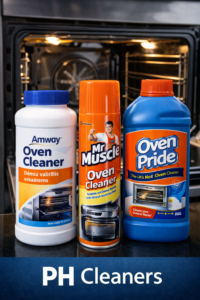
Top Oven Cleaners Compared | Powerful Grease Removal
Introduction
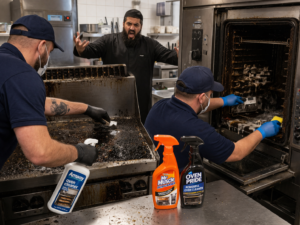
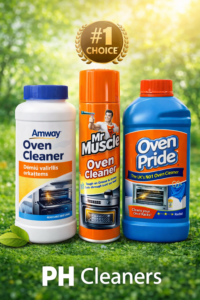
Choosing the right oven cleaner makes the difference between hours of scrubbing and achieving sparkling results the quickest way. With many oven cleaner products on the market, from Mr Muscle oven cleaner to professional-grade formulas, finding the best oven cleaner for your needs can feel overwhelming. You might be searching for the best oven cleaner Ireland has to offer, learning about oven cleaner Dublin services, or thinking over natural oven cleaner alternatives to traditional oven cleaner spray. Understanding what works matters. This piece will compare top commercial products and explore natural cleaning methods. We’ll also identify everything professionals use to achieve superior grease removal. We’ll help you determine which approach delivers the results you’re after.
What Makes a Good Oven Cleaner
Four critical factors separate effective oven cleaner products: chemical composition, application method, safety profile, and working time. Understanding these elements helps you select the right product to meet your specific needs.
Chemical formula strength
Oven cleaners rely on alkaline solutions with pH levels ranging between 11 and 13 to cut through grease and grime. These formulas work through saponification and convert fats into soaps that dissolve easily in water. Caustic soda (sodium hydroxide) delivers the highest alkalinity at pH 14. This makes it exceptionally effective when you have severe grease build-up. The chemical strips away molecular bonds in organic materials and loosens baked-on residue.
In stark comparison to this, bio-enzymatic cleaners offer a gentler approach without compromising effectiveness. These formulations contain enzymes that target specific compounds in burnt food and grease. They work at lower temperatures and produce minimal fumes. Professional-grade products often include surfactants and emulsifiers that boost cleaning power without relying on harsh alkalinity alone.
Ease of application
Application methods vary by a lot across products. Amway Oven Cleaner stands out when it comes to removing grease and burnt-on residue without a strong harmful smell. You must exercise extreme caution though, as skin contact causes burning and irritation. Oven Pride uses a gel formula paired with a soaking bag system. You can place racks and components inside overnight and break down heavy grease without effort. Similarly, you can clean oven racks in a dishwasher on the highest temperature and scrub between cycles to get optimal results.
Mr Muscle Oven Cleaner provides a decent alternative but proves less effective. It has a stronger and more noticeable smell compared to other options.
Safety considerations
Chemical oven cleaners demand serious protective measures:
- Chemical-resistant gloves to prevent skin burns and irritation
- Safety goggles or face shields to protect your eyes
- Disposable masks to reduce fume inhalation
- Proper ventilation through open windows and exhaust fans
Caustic-based products pose risks that include skin burns, eye damage, and respiratory irritation. Non-caustic formulations reduce these hazards by a lot through neutral to mildly alkaline pH levels and minimal fume production. Fumes from modern non-caustic products dissipate within 30-60 minutes.
Time required to get results
Working times span a broad spectrum. Non-caustic compositions can deliver results in 15 minutes to 2 hours at room temperature. Chemical cleaners need 30 minutes for cold ovens. Leaving products overnight yields superior results when you have dirty ovens. Oven Pride recommends at least 4 hours, with overnight application providing optimal performance on heavily soiled surfaces.
Razor blade scrapers with metal blades prove essential to get professional results. They remove stubborn, baked-on residue that chemicals alone cannot eliminate.
Top Commercial Oven Cleaner Products
Several standout products dominate the market. Each offers distinct approaches to grease removal. We’ve tested the most popular options and identified what delivers professional results.
Amway Oven Cleaner
Lesser-known in Ireland but praised internationally, Amway Oven Cleaner excels at removing grease and burnt-on residue. It doesn’t produce strong harmful odours. The product has a scrubbing brush to apply it. Overnight soaking produces exceptional results on heavily soiled ovens. But skin contact causes burning and irritation. You need chemical-resistant gloves and eye protection during use. The formula contains sodium hydroxide, sodium tallowate, xanthan gum, magnesium sulphate heptahydrate, and C10-16 ethoxylated alcohol.
Oven Pride gel formula and bag system
Oven Pride provides a complete cleaning kit for £4. It has 500ml of solution, disposable gloves, and a special soaking bag. The bag measures 765mm x 540mm and fits standard household oven racks. Place racks inside the bag with three-quarters of the solution, seal it, and leave for a minimum of 4 hours. Overnight soaking delivers optimal performance on especially dirty ovens and racks. Apply remaining solution to the oven interior with a sponge. Allow the same soaking period before rinsing really well with warm, soapy water.
Mr Muscle Oven Cleaner
Mr Muscle costs €3.50 for 300ml. It features a self-scouring foam formula designed to emulsify baked-on messes. Apply to cold oven interiors from 20-30cm distance, close the door, and allow no more than 30 minutes working time. The aerosol application method eliminates pump spray bottles. It’s decent to maintain regularly but proves less effective than Oven Pride. It produces a stronger, more noticeable smell that requires proper ventilation.
Oven cleaner spray options
Alternative spray formulations include HG Oven, Grill and Barbecue Cleaner that needs 3-5 minutes, and Cif Oven and Grill Specialist Cleaner that works within 30 minutes.
Natural and Alternative Cleaning Methods
Not everyone wants harsh chemicals in their kitchen. Natural oven cleaner alternatives deliver impressive results without toxic fumes or aggressive formulas. They are safer options for households with children or pets.
Dishwasher cleaning method
Dishwasher tablets are an effective solution for oven cleaning. These capsules contain enzymes and degreasers with a mild abrasive structure that dissolves stubborn dirt without damaging sensitive surfaces. Wrap racks in aluminium foil, place them in warm water with one or two tablets, and wait two hours before rinsing. Dip a tablet in warm water and rub it around the inside surfaces of your oven. Pay special attention to the door glass where baked-on stains prove most persistent. Wipe with a damp cloth to remove residue, then dry it really well. This method eliminates industrial chemical smells and delivers solid results.
Baking soda-based solutions
Specific baking soda formulations weren’t detailed in our research. This ingredient pairs well with other natural cleaners to create paste-like solutions that cling to vertical surfaces and break down grease.
Vinegar and lemon approaches
Lemons provide versatile cleaning power for ovens. Chop 2-3 lemons, place them in a casserole dish with water, and cook at 200°C for 30 minutes. The steam loosens stubborn grime and natural acids break down buildup. After cooling, scrub doors and walls with the lemon water. Rub cooked lemon pieces on stubborn areas. Hot water, vinegar, baking soda and lemon create steam that softens baked-on grease. This eliminates harsh fumes and residue. The combination works without hours of scrubbing.
Essential Tools for Professional Results
The right tools transform oven cleaning from exhausting labour into manageable work. You need equipment beyond chemical cleaners to ensure complete grease removal and protect both you and your oven surfaces.
Razor blade scrapers with metal blades
Razor blade scrapers remove paint, adhesives and baked-on residue from glass, tiles and other smooth surfaces. These tools feature all-metal construction with retractable blades to store safely. Stanley scrapers come with 5 blades and use standard single-edge razor blades. Wet the surface and scrape away stubborn stains on glass, ceramic cooktops and ovens that chemicals alone cannot eliminate.
Protective gloves and equipment
Chemical-resistant gloves prevent skin burns when you handle oven cleaner products. Safety goggles protect eyes from splatters, and aprons shield clothing and skin from cleaning chemicals. Some cleaning kits include protective arm sleeves with gloves to cover completely.
Brushes and cleaning pads
Non-abrasive scrubbing pads or soft cloths safeguard your oven’s enamel and surfaces. Metal scour brushes cut through the toughest grime on especially stubborn areas. The Pink Stuff cleaning paste works when you apply it to any rag or scrubbing pad. Pumice stone sticks provide effective spot cleaning when wetted and rubbed on baked-on grease.
Soaking bags and containers
Oven Mate kits provide two durable bags designed to soak racks. These bags prevent nasty smells from lingering in your kitchen while the cleaning gel works.
Conclusion
The right oven cleaner will revolutionise a tedious chore into manageable work. Amway and Oven Pride deliver professional-grade results for heavily soiled ovens, while natural alternatives like dishwasher tablets and lemon steam offer safer options for regular maintenance.
To cite an instance, pair the right chemical formula with everything in tools like razor blade scrapers and you will achieve sparkling results. Invest in quality products and protective equipment. You’ll spend less time scrubbing and achieve superior grease removal.
FAQs
Q1. What makes baking soda effective for removing oven grease? Baking soda works exceptionally well on oven grease because it’s alkaline, which naturally breaks down acidic food particles and grease. It’s non-toxic, inexpensive, and remarkably effective when used as part of a natural cleaning solution.
Q2. Which oven cleaner do professional cleaners typically use? Professional cleaners often use industrial-strength products containing caustic formulas with high alkalinity levels (pH 11-14). These commercial-grade cleaners include powerful ingredients like sodium hydroxide that effectively break down severe grease build-up and baked-on residue.
Q3. How long should I leave oven cleaner on for best results? For optimal results, most chemical cleaners require at least 30 minutes on cold ovens, though heavily soiled ovens benefit from overnight application. Products like Oven Pride recommend a minimum of 4 hours, with overnight soaking delivering the best performance on particularly dirty surfaces.
Q4. Are natural oven cleaning methods as effective as chemical cleaners? Natural methods like dishwasher tablets, lemon steam, and vinegar solutions can be highly effective for regular maintenance and moderate grease. However, for heavily soiled ovens with severe build-up, chemical cleaners with stronger alkaline formulas typically deliver faster and more thorough results.
Q5. What protective equipment should I use when cleaning my oven? Always wear chemical-resistant gloves to prevent skin burns, safety goggles to protect your eyes from splatters, and use proper ventilation by opening windows. For particularly strong cleaners, consider wearing a disposable mask to reduce fume inhalation and an apron to protect your clothing.