The Ultimate Guide to Dyson Filter Cleaning: Boost Performance, Save Money, and Breathe Easier
Cleaning your Dyson’s filter regularly is crucial in keeping your vacuum in tip top shape and having it last you for years on end. Dust, dirt and debris accumulate in the filter over time, limiting the suction power, which makes your Dyson less effective at cleaning. A filthy filter can also result in poor air quality, as it can let allergens and dust particles flow back into your home.
The good news is that cleaning a Dyson filter doesn’t take long or much effort. Many Dyson vacuum models have washable filters that should be cleaned every 1–3 months, depending on use. Regular maintenance OTA enhances the functionality and reduces the chances of overheating and motor overloading. We’ll guide you through the basic steps to clean a Dyson filter, so your vac can work like new again. Read on for the best methods for keeping your Dyson in tip-top condition!
Why Cleaning Dyson Filters Is Non-Negotiable
Dyson filters trap dust, pollen, pet dander, and bacteria, ensuring clean air output. Neglecting them can lead to:
Reduced Suction Power: Clogged filters force motors to work 30% harder
Energy Waste: Dirty filters increase power consumption by up to 15%
Health Risks: 78% of uncleaned filters develop mold within 6 months
Step-by-Step Dyson Filter Cleaning Process
Essential Tools Checklist
Tool
Purpose
Alternative Options
Soft-bristle brush
Removes surface debris
Clean toothbrush
Cold water
Rinsing filter material
Distilled water (for hard water areas)
Microfiber cloth
Drying exterior surfaces
Lint-free kitchen towel
Dyson Filter Maintenance Schedule
Device Type
Cleaning Frequency
Replacement Timeline
Warning Signs
Vacuums (V7-V15)
Monthly
6-12 months
Whining motor noise
Air Purifiers
Every 60 days
12 months
Reduced airflow
Fans/Heaters
Quarterly
18 months
Musty odors
Pro Tips for Long-Term Filter Care
Store filters in ziplock bags when not in use
Mark cleaning dates on a calendar or phone app
Keep replacement filters on hand for quick swaps
FAQs: Expert Answers
Question
Expert Answer
Can I speed up drying with a hairdryer?
No – heat warps HEPA fibres. Use fans instead.
Why does my filter turn yellow?
Nicotine or cooking residue. Soak in baking soda solution.
Are generic filters safe?
Stick with OEM filters – 3rd party versions lack quality control.
When to Seek Professional Help
Error codes persist after cleaning
Visible mold growth inside the filter housing
Unusual burning smells during the operation
Final Tip: Register your Dyson product for personalized maintenance reminders and exclusive cleaning tutorials directly from the manufacturer.
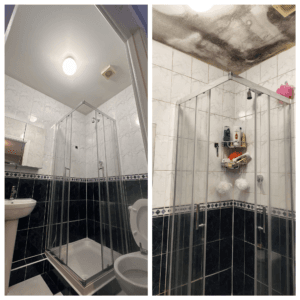
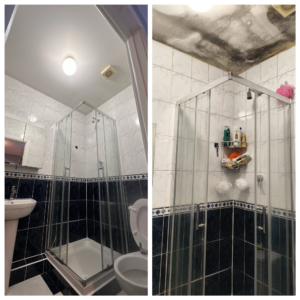
How to Get Rid of Mould on Ceiling: A Complete Guide
Mould on the ceiling is a common problem in many homes, and it can be both unsightly and harmful to your health. If left unchecked, it can spread quickly, causing damage to the ceiling and potentially worsening air quality. Understanding the causes of ceiling mould is the first step in getting rid of it and preventing it from coming back.
Understanding the Causes of Ceiling Mould
Mould on ceilings typically grows due to excess moisture and poor ventilation. Common triggers include condensation from steamy bathrooms or kitchens, roof leaks, and inadequate airflow in closed spaces like basements or attics. Here are some of the most common causes of ceiling mould:
Excess Moisture: Areas that retain moisture, such as bathrooms and kitchens, are prime candidates for mould growth. When moisture accumulates on the ceiling, it creates the perfect environment for mould spores to thrive.
Poor Ventilation: Without proper airflow, humid air tends to settle on the ceiling, especially in rooms that generate a lot of moisture, like bathrooms or kitchens. Poor ventilation allows that moisture to stay trapped, encouraging mould growth.
Roof Leaks: A leaking roof can allow water to seep into your ceiling, providing a continuous source of moisture for mould to grow. The water damage often goes unnoticed until mould appears on the ceiling.
Hidden Leaks: Sometimes, plumbing pipes running through ceilings or walls can leak unnoticed, causing moisture to build up. This can lead to mould growth in areas that may not be immediately visible.
How to Get Rid of Mould on Ceiling
Removing mould from your ceiling requires a strategic approach. You need to address both the mould itself and the moisture issue that caused it. Here are the key steps for effectively getting rid of mould on your ceiling:
1. Gather the Right Cleaning Supplies
Before you start cleaning, make sure you have the right supplies to safely remove the mould. You’ll need:
A cleaning solution (such as a mix of bleach and water, white vinegar, or specialised mould cleaner)
A scrub brush or sponge
Rubber gloves, a mask, and protective eyewear (to avoid inhaling mould spores)
A step ladder or sturdy stool
A bucket and clean cloths for wiping down surfaces
2. Clean the Mouldy Area
Once you have your supplies, follow these steps:
Ventilate the Area: Open windows and doors to allow fresh air to circulate, helping to reduce moisture levels.
Prepare the Cleaning Solution: If you’re using bleach, mix one part bleach with three parts water in a spray bottle. Alternatively, use a mixture of white vinegar and water (in equal parts) for a more eco-friendly solution.
Apply the Solution: Spray the mouldy area generously with your chosen cleaning solution. Let it sit for about 15-20 minutes to kill the mould spores.
Scrub the Ceiling: Using a scrub brush or sponge, gently scrub the affected area. Be sure to work carefully to avoid damaging the ceiling surface. For tough spots, you may need to repeat the process.
Wipe Clean: Once the mould is gone, wipe the ceiling with a clean, damp cloth to remove any remaining cleaning solution and debris.
3. Dry the Ceiling Thoroughly
After cleaning, it’s important to dry the ceiling completely to prevent further mould growth. You can use a fan or dehumidifier to help speed up the drying process. A dry ceiling is less likely to become a breeding ground for mould in the future.
4. Fix the Underlying Moisture Problem
If you don’t address the cause of the mould, it’s likely to return. Here’s how you can prevent future mould growth:
Improve Ventilation: Ensure that areas like bathrooms and kitchens have proper ventilation. Install exhaust fans or open windows during and after activities that produce moisture.
Repair Leaks: If you discover a roof leak or hidden pipe leak, fix it as soon as possible. Consider having a professional inspect your roof and plumbing if you suspect underlying issues.
Use a Dehumidifier: In areas like basements or attics where moisture tends to accumulate, a dehumidifier can help reduce humidity levels and prevent mould from taking hold.
5. Consider Using Mould-Resistant Paint
Once you’ve cleaned and dried the area, you might want to apply mould-resistant paint to the ceiling. This type of paint helps prevent mould growth by creating a barrier against moisture.
Cause
Description
Risk Areas
Condensation
Humidity from showers, cooking, or drying clothes indoors.
Bathrooms, kitchens
Leaks
Roof damage, burst pipes, or faulty plumbing.
Attics, ceiling corners
Poor Ventilation
Lack of airflow traps moisture.
Closed rooms, basements
Step-by-Step Mould Removal Methods
Natural vs. Chemical Solutions Comparison
Method
Ingredients
Pros
Cons
Vinegar Solution
White vinegar + water
Eco-friendly, non-toxic
Slower for severe mould
Bleach Mix
Bleach + water
Quick results
Harsh fumes may damage paint
Baking Soda Paste
Baking soda + water
Scrubs stains gently
Requires multiple uses
Preventing Ceiling Mould: Long-Term Strategies
Prevention Tip
Action Required
Benefit
Improve Ventilation
Install exhaust fans or dehumidifiers
Reduces humidity by 40-50%
Fix Leaks Promptly
Inspect roofs/pipes quarterly
Prevents water buildup
Use Anti-Mould Paint
Apply mould-resistant primer
Blocks spore growth for 5+ years
FAQs About Ceiling Mould
Question
Answer
Is bleach safe for painted ceilings?
Test a small area first—bleach may discolour the paint.
Can I paint over mould?
No! Always clean mould before painting.
How long does vinegar take to kill mould?
1 hour for small patches; repeat for stubborn growth.
When to Call a Professional
The mould covers over 10 square feet.
Recurring mould despite cleaning.
Suspected hidden leaks or structural damage.
Final Tips
For severe cases, pair cleaning with a HEPA air purifier to remove airborne spores. Bookmark this guide for quick reference!
A clean home is more than just a visually appealing space; it’s a place of comfort, relaxation, and well-being. But what exactly does it mean to have a perfect clean? It’s not just about dust-free surfaces or sparkling floors. A perfect clean involves a comprehensive approach that addresses every aspect of cleanliness, from organization to sanitation, and it plays a significant role in maintaining a healthy home environment.
In this guide, we’ll break down how to achieve a perfect clean in your home with expert tips, tricks, and eco-friendly strategies.
What Does “Perfect Clean” Really Mean?
When we think of a perfect clean, we often picture a home that looks pristine from top to bottom. But a perfect clean goes beyond appearances. It’s about creating a space that is not only visually spotless but also free from bacteria, allergens, and pollutants. A true perfect clean is about maintaining hygiene, creating a healthy environment, and ensuring everything is organized and easy to manage.
Defining a Truly Clean Space
A perfect clean home should feel refreshing and inviting. It’s about having surfaces that shine, air that feels fresh, and an environment that supports your overall health. This doesn’t mean it has to be sterile like a hospital, but it does mean it’s maintained regularly, and it’s a place where you can truly relax and unwind without being overwhelmed by clutter or dirt.
Why a Perfect Clean Matters for Health and Well-Being
A clean home can directly affect your mental and physical health. A cluttered, dirty environment can cause stress, allergies, and even sleep disturbances. Keeping your space spotless helps reduce the buildup of harmful bacteria, dust mites, mold, and pet dander, which can all trigger respiratory problems and allergies. Additionally, when you have a perfect clean home, you also experience improved mood, reduced anxiety, and greater productivity.
Step-by-Step Guide to Achieving a Perfect Clean
Now that we’ve established why a perfect clean is so important, let’s dive into the steps you need to take to achieve one.
Must-Have Cleaning Supplies and Tools
To get started, it’s essential to have the right tools. Having the best cleaning supplies at your disposal will make the entire process smoother and more effective. Here’s a list of must-have cleaning supplies:
Microfiber cloths – Perfect for dusting and wiping surfaces without leaving streaks.
Vacuum cleaner with HEPA filter – Essential for cleaning carpets, upholstery, and hard-to-reach areas.
All-purpose cleaner – A versatile product for most surfaces in your home.
Disinfecting wipes – Convenient for quickly sanitizing high-touch areas.
Glass cleaner – For streak-free windows, mirrors, and glass surfaces.
Broom and dustpan – Handy for quick sweeps of the floor.
Scrub brush and sponge – Needed for tackling tough stains or grout.
The Best Cleaning Techniques for Every Room
A perfect clean requires attention to detail in every room. Here are some cleaning techniques for specific areas of your home:
Living room: Dust electronics, furniture, and shelves. Use a microfiber cloth to wipe down surfaces. Vacuum or sweep the floors and clean upholstery with a fabric-safe cleaner.
Kitchen: Disinfect countertops, sinks, and cabinet handles. Wipe down appliances like the refrigerator, oven, and microwave. Don’t forget to clean the floors and take out the trash.
Bathrooms: Scrub toilets, sinks, and tubs. Disinfect surfaces such as faucets and light switches. Clean mirrors and wipe down any shelves or counters. Always finish by mopping the floor.
Bedrooms: Dust furniture and make the bed. Clean under the bed and in corners, as dust and dirt often accumulate there. Don’t forget to launder bed linens regularly.
Daily vs. Deep Cleaning: What’s the Difference?
While daily cleaning tasks help maintain a perfect clean environment, deep cleaning requires more effort and attention. Daily cleaning includes tasks like wiping down counters, sweeping floors, and doing dishes. On the other hand, deep cleaning involves a thorough scrub of areas that are often neglected, such as baseboards, behind appliances, and inside cabinets. Aim to deep clean your home at least once a month.
Common Cleaning Mistakes That Prevent a Perfect Clean
Achieving a perfect clean is about more than just using the right tools and techniques—it’s also about avoiding common mistakes. Here are a few mistakes to watch out for:
Overlooked Areas You Need to Clean
There are several areas in the home that are often overlooked during routine cleaning. These include:
Baseboards: Dust and dirt can quickly accumulate along baseboards, leaving your home looking less than perfect.
Behind furniture: It’s easy to forget to clean behind large furniture, but dust and dirt can hide there, affecting your air quality.
Light switches and doorknobs: These high-touch areas are a breeding ground for germs but are often neglected.
Ceiling fans: Dust can settle on ceiling fans, and when turned on, it can spread throughout the room.
Cleaning Products You Should Never Mix
Some cleaning products can be harmful when mixed. For example, combining bleach and ammonia creates a toxic gas that can irritate your respiratory system. Always read the labels of cleaning products to ensure they are compatible and safe to use together.
How to Maintain a Perfectly Clean Home Every Day
Once you’ve achieved a perfect clean, it’s important to keep it that way. Regular maintenance will ensure your home remains fresh, organized, and hygienic.
Quick Daily Cleaning Habits
These daily habits can help you maintain a perfect clean without feeling overwhelmed:
Make your bed as soon as you wake up.
Wipe down kitchen counters and dishes after each meal.
Put away clutter and keep surfaces tidy.
Sweep high-traffic areas like entryways and hallways.
Weekly and Monthly Cleaning Checklists
In addition to daily upkeep, consider setting aside time each week or month to do more in-depth cleaning. Some tasks, such as washing windows, cleaning out the refrigerator, or washing throw rugs, don’t need to be done every day but should be added to your weekly or monthly cleaning schedule.
Eco-Friendly Ways to Achieve a Perfect Clean
You don’t need harsh chemicals to achieve a perfect clean. There are many eco-friendly alternatives that are both effective and gentle on the environment.
Best Natural Cleaning Products
Vinegar: Great for disinfecting and removing odours.
Baking soda: Effective for scrubbing and removing stains.
Lemon: Naturally antibacterial and adds a fresh scent.
Castile soap: A gentle, plant-based soap that can be used for various cleaning tasks.
How to Reduce Toxins While Keeping Your Home Spotless
In addition to using natural cleaning products, consider reducing your reliance on disposable products. Use reusable microfiber cloths instead of paper towels and avoid single-use plastics. Invest in eco-friendly cleaning tools that will last longer and reduce waste.
Final Thoughts: The Secret to Effortless Perfect Cleaning
Achieving a perfect clean doesn’t have to be difficult or time-consuming. By following a few simple tips, maintaining a regular cleaning schedule, and avoiding common mistakes, you can create a space that feels fresh, welcoming, and healthy. Remember, a clean home is not just about appearances—it’s about creating a safe and comfortable environment where you can truly relax and unwind.
With the right tools, techniques, and eco-friendly habits, the perfect clean is well within your reach!
When the building process is done, there is only one last step left until you can step into your newly built or renovated home — builders cleaning, whether you plan to move into a residential space or an office, you will want to get rid of construction debris and dust that remains. Renovations that can provide a breath of fresh air to a home or business can also leave behind a hidden cost — Dust, debris, and chemical residue that can linger long after the workmen have left.
Sawdust, nails, and leftovers are the most visible signs of post-construction clutter, but the problem is far more insidious. Smog and dirt get inside vents, dried adhesives leave residues, and tiny dangers such as silica dust, mold spores, and chemical fumes linger in the air, threatening health and indoor air quality.
Because of these, builders cleaning does not just pertain to looks — it is also crucial when it comes to your health, the safety of your investment, and the way your space has the potential to function. Here’s why it’s never a good idea to skip this step:
Healthier Living Environment
Work zones are breeding sites for allergens and irritants. Drywall dust, fiberglass particles, and toxic residues from paints, solvents, or adhesives can remain long after the crew has departed. Without thorough cleaning:
Respiratory Risks
Particles in the air can worsen asthma, allergies, or chronic lung conditions. Silica dust, which is present in concrete and tile work, is a known carcinogen if inhaled over time.
Chemical Exposure
VOCs (volatile organic compounds) from paints, varnishes, and sealants off-gas into your air, causing headaches, dizziness, or long-term health issues.
Preventing Mold
Plaster or grout dries all around, including in the hidden corners where mold can settle happily and multiply if not properly dried and sanitized.
A deep clean snuffs these invisible menaces, making sure that, from day one, your air quality is safe to breathe.
Protect Your Investment
Your new finishes — hardwood floors, marble countertops, or custom cabinetry — deserve to show off. Construction debris is not only unsightly; it is destructive:
Scrapes and Abrasions
The grit that’s present in dust from drywall or concrete works like sandpaper and can dull hardwood floors, laminates or varnished surfaces.
Stained Grout and Tiles
Cement splatters or paint drips leave permanent stains if not removed quickly, necessitating expensive repairs.
Damage to Appliances
Dust build-up in heating, ventilation, and air-conditioning systems, the coils of a refrigerator, and the vents of a dishwasher reduces their efficiency and shortens their lifespan.
Post-renovation builders cleaning protects your materials so your renovation looks — and performs — exactly how you wanted it to for years to come.
Safety for All Occupants
Construction sites are dangerous minefields, long after the work is “complete”:
Tripping Hazards
Loose nails, screws, or bits of wood lurk underfoot, especially in carpets or low-light areas.
Sharp Edges
Shards of glass, exposed wires, or jagged pieces of tile are hazardous to children and pets.
Chemical Residues
Uncured adhesives, solvents, or fumes from paint can cause skin irritation or accidental poisoning if touched or ingested.
A careful clean rids you of these risks and restores your dwelling from a job site to a safe, family-ready home.
Aesthetic Perfection
You’ve poured so much time and money into creating your dream space—don’t let construction dust spoil it. Grimy baseboards, dust-coated light fixtures, and smeared windows take away from the beauty of your home. Professional cleaners:
Restore Sparkle to Surfaces
Clean paint overspray and adhesive films from glass and mirrors so they sparkle again.
Revive Walls and Ceilings
Banish cobwebs, dust trails, and scuff marks to revive walls and ceilings.
Maintain Pristine Floors
Keep floors spotless, whether you’re vacuuming carpets to extract ground-in dirt or buffing hard surfaces to a streak-free shine.
The result? A picture-perfect space that aligns with what your mood board looked like when you started.
Peace of Mind
These are stressful enough without worrying about mess hanging around.
Time-Saving Efficiency
The pros do the work promptly, using industrial-grade equipment, so you can spend your time moving in or decorating.
Compliance Assurance
Post-construction cleaning helps ensure that rental properties or commercial spaces meet the necessary health and safety standards.
Move-In Readiness
When you’re ready to begin life in your new space, there is no “settling for good enough.”
The Bottom Line
Builders clean is not a luxury—yet another touch to the whole experience — it`s the final and therefore the most important phase of your project. By addressing masked hazards and preserving finishes — as well as taking your space to its highest potential — this step makes sure the success of your renovation is not tarnished by avoidable shortfalls. Whether you’re a homeowner, a landlord, or a business owner, skipping it could jeopardize your health, safety, and the durability of your investment. Don’t merely do the job — do the job right.
Pro Tip: Combine your cleaning with an air quality test or duct cleaning for added peace of mind!
How to Deep Clean Washing Machine: The Complete Guide
How to Clean Your Washing Machine and Keep It Fresh: Is your washer smelling musty or leaving residue on clothes? Regular deep cleaning is essential for maintaining efficiency, preventing mold, and extending its lifespan. Our complete guide walks you through step-by-step cleaning methods for both front-load and top-load washers. Learn how to remove dirt, soap scum, and bacteria using simple household ingredients like vinegar and baking soda. Keep your washing machine fresh, odor-free, and running at peak performance with these expert tips!
Why Clean Your Washing Machine?
Removes detergent buildup
Prevents mold and mildew
Eliminates bad odors
Extends machine lifespan
⚠️ Warning: Never mix vinegar and bleach – it creates toxic fumes!
Step-by-Step Cleaning Process
Step
Instructions
Supplies Needed
1
Clean the Drum
Run an empty hot cycle with 2 cups of white vinegar
Add ¼ cup baking soda during rinse cycle
White vinegar
Baking soda
2
Clean Detergent Dispenser
Remove and soak in warm soapy water
Scrub with an old toothbrush
Dish soap
Toothbrush
3
Clean Door Seal (Front Load)
Wipe with a vinegar solution (1:1 water/vinegar)
Dry thoroughly with a microfiber cloth
Microfiber cloth
Vinegar solution
4
Clean Filter
Locate and remove the access panel
Rinse under warm water
Towel
Bucket
Pro Tip:
Leave the door/detergent drawer open between washes to prevent moisture buildup and mold growth.
Maintenance Schedule
Task
Frequency
Time Required
Quick Vinegar Clean
Monthly
1 hour
Deep Clean
Every 3 months
2 hours
Filter Cleaning
Every 6 months
30 minutes
FAQs
1. How often should I clean my washing machine?
It’s recommended to clean your washing machine once a month to prevent mold, mildew, and detergent buildup.
2. What is the best way to clean a washing machine?
Use a mixture of white vinegar and baking soda to remove odors, residue, and bacteria. Run a hot water cycle and wipe down the drum, seals, and detergent drawer.
3. Can I use bleach to clean my washing machine?
Yes, bleach can be used to disinfect your washing machine. Add 1 cup of bleach to the detergent dispenser and run a hot cycle. However, avoid mixing bleach with vinegar.
4. Why does my washing machine smell bad?
Musty odors are caused by mold, mildew, and detergent buildup. Regular cleaning, leaving the door open after use, and wiping down seals can help prevent bad smells.
5. How do I clean a front-load vs. a top-load washing machine?
Front-load: Clean the rubber gasket, detergent drawer, and drum using vinegar and baking soda.
Top-load: Fill the drum with hot water, add vinegar, and let it sit before running a cycle.
6. Do I need special cleaning tablets for my washing machine?
Not necessarily. Vinegar, baking soda, or bleach can work just as well. However, cleaning tablets can be a convenient alternative.
How do I remove black mold?
Use 3% hydrogen peroxide solution. Wear gloves and never mix with other cleaners.
How to Deep Clean a House? Keeping a home clean goes beyond daily tidying; instead, it requires regular deep cleaning to eliminate hidden dust, grime, and bacteria from every corner of your living space. If you’ve ever wondered exactly how to deep clean a house thoroughly, this room-by-room guide will walk you through each step, making the process both manageable and efficient.
Not only does a deep-cleaned home look visually appealing, but it also improves indoor air quality, reduces allergens, and creates a healthier environment for you and your family. Moreover, deep cleaning helps prevent bacteria buildup, ensuring that your home remains fresh and sanitary for longer.
Whether you’re struggling with stubborn grease in the kitchen, soap scum in the bathroom, or dust accumulation in the bedroom, following a structured cleaning plan will save you time and effort. Additionally, using the right supplies and techniques will help you achieve better results with less hassle.
In this step-by-step guide, we will cover everything you need to know about how to deep clean a house, including must-have cleaning tools, time-saving techniques, and expert tips to help you transform your home into a sparkling sanctuary. So, without further ado, let’s dive in!
How to Deep Clean Checklist Table
Room
Supplies/Tools Needed
Key Tools/Notes
Bedroom
Cobweb duster
Microfiber cloths
Window cleaning kit
Karcher Puzzi10 (rental €50/per day)
All-purpose cleaner
Vacuum/mop
Focus on dusting top-to-bottom. Use rental Karcher Puzzi 10/1 machines for mattress cleaning.
Bathroom
Steam cleaner
Plastic/metal scraper
Disinfectant spray
Bathroom cleaner
Using Steamer Karcher SC3-4 Steam hidden corners (grout, behind the toilet). Scrape shower doors gently.
Sitting Room
Karcher Puzzi10 (rental €50/per day)
Storage boxes
Vacuum
All-purpose cleaner
Rent a Karcher for DIY upholstery cleaning (24hr dry time). We Professionals use AirFlex (4–6hr). (we not renting)
Hallway
Vacuum/mop
Degreaser (for scuffs)
Polish
Damp cloth
Clean walls, polish hardware, and revive floors.
Kitchen
Oven cleaner
Kitchen degreaser
Scraper/blades
Dishwasher detergent
Microfiber cloths
Soak oven for 1hr first. Use degreaser for extractor fan. Clean hobs based on type (gas/ceramic).
Pro Tips
Rent vs. Buy: Save money by renting tools like the Karcher Puzzi10 (€50/day) for upholstery.
Time-Saving: Professionals use AirFlex for faster drying and advanced cleaning.
Wear gloves! : Wear gloves when handling oven cleaners or degreasers.
Print this table, tick off items as you go, and conquer your deep clean like a pro! ✨
1. Bedroom: Refresh Your Sanctuary
(For a detailed guide, click here to revisit our bedroom deep-cleaning tips!)
Steam Hidden Corners: Use a steam cleaner on tile grout, behind toilets, and under sinks to sanitize hard-to-reach spots.
Scrub Shower Doors: Apply bathroom cleaner, then use a plastic scraper to lift soap scum and limescale without scratching the glass.
Disinfect Surfaces: Wipe down counters, faucets, and handles with a disinfectant spray. Pro Tip: Soak showerheads in vinegar overnight to dissolve mineral deposits.
Pre-Treat the Oven: Spray oven cleaner inside and let it sit for 1 hour (follow product instructions).
Empty Cabinets & Fridge:
Remove items, wipe shelves, and discard expired goods.
Label boxes for easy reorganization.
Clean Extractor Fan: Soak filters in kitchen degreaser; scrub with a sponge.
Tackle Hobs:
Gas Hobs: Remove burners and soak them in the dishwasher. Scrub with a blade after drying.
Ceramic Hobs: Spray degreaser, wait 2–3 minutes, then scrape off residue with a ceramic-safe blade.
Scrub the Oven: After the cleaner has worked, wipe away the grease. Remove oven glass doors for a streak-free clean.
Finish with Sink & Windows: Clean these last to avoid re-soiling.
6. Final Touches for Every Room
Ventilate: Open windows to circulate fresh air.
Polish Surfaces: Buff stainless steel sinks and glass windows with microfiber cloths.
Sanitize High-Touch Areas: Light switches, remote controls, and doorknobs.
Why Deep Cleaning Matters
For busy households, consider professional services (like ours!) to save time and energy—especially for tough tasks like oven degreasing or upholstery revival.
Ready to Transform Your Home?
Grab your supplies, crank up your favourite playlist, and tackle one room at a time. Your spotless, serene home awaits!
Looking for End of Tenancy Cleaning? Moving out of a rental property and wanted to get back deposit? Landlords and agents demand immaculate conditions to return your deposit. Our professional cleaners specialize in end-of-tenancy deep cleans, ensuring every inch of your home meets inspection standards. With a 100% deposit return guarantee and partnerships with painters and repair experts, we make your move-out hassle-free!
Guaranteed Deposit Return: Free re-clean if your landlord isn’t satisfied. Certified & Insured: Trusted by tenants across Dublin 8, Portobello, The Liberties, and beyond. Affordable Rates: Transparent pricing with no hidden fees.
End-of-Tenancy Cleaning Price List
Prices are tailored for Dublin rentals (1-bed apartments to 5-bed homes).
Pre-Clean Prep: Empty appliances, clear floors, and secure parking.
Deep Clean Day: Our team arrives with industrial-grade equipment.
Final Inspection: Walk through with your landlord confidently!
Customer FAQs
Q: What if my landlord finds an issue?
A: We’ll re-clean the flagged area for free within 48 hours.
Q: Can you clean behind heavy furniture?
A: We move light items (if empty). Heavy furniture? Let us know in advance.
Q: How fast does carpet cleaning dry?
A: 2 hours (avoid damp areas).
Q: Do you serve apartments in Dublin 8?
A: Yes! We cover all Dublin postcodes (parking arrangements required).
Exclusive Discounts
€15 OFF for bookings over €150.
€30 OFF for bookings over €300.
Pre-Booking Checklist
Empty Appliances: Oven, fridge, and cabinets. Clear Floors: Remove personal items from carpets. Parking: Reserve a spot for our van (critical in Dublin 1–8). Share Eircode: Ensure accurate pricing and timing.
Why Tenants Love Us
Rated 4.9/5 Stars: “They saved my deposit!” – Sarah, Dublin 8. Local Expertise: We know Dublin’s rental standards inside-out. Flexible Scheduling: Evening and weekend slots are available.
Pro Tip: Pair your end-of-tenancy cleaning with carpet or upholstery cleaning for maximum deposit security!
Call Now: 089 610 3281 or Book Online for a Spotless Move-Out!
Why Choose Professional Cleaners in Dublin 8?
Professional cleaner Dublin 8 (Inchicore, Portobello, The Liberties, etc.) means balancing bustling city life with maintaining a clean home. Our certified cleaners offer tailored services at unbeatable rates, ensuring your space shines without breaking the bank.
Cleaner Dublin 8 Price List
Service
Price
Details
General House Cleaning
€25/hour
Dusting, vacuuming, mopping, and surface wiping.
Deep House Cleaning
€35/hour
Detailed scrubbing, and sanitizing of high-touch areas, and appliance exteriors.
Oven Cleaning
€75–€130
Interior/exterior degreasing, rack cleaning, and odor removal.
Fridge Cleaning
€20–€50
Defrosting, shelf sanitization, and mold prevention.
Eco-Friendly Products: Safe for kids and pets. Fully Insured: Stress-free service guaranteed. Flexible Scheduling: Evening and weekend slots are available. Local Expertise: We know Dublin 8’s unique needs (old homes, high ceilings, etc.).
Areas We Serve in Dublin 8
Inchicore
Portobello
The Liberties
Rialto
Dolphin’s Barn
FAQs: Cleaners in Dublin 8
Q: How often should I book deep cleaning?
A: Every 3–6 months for kitchens/bathrooms; annually for full-home refreshes.
Q: Do you clean upholstery?
A: Yes! Sofa cleaning starts at €50 (fabric) or €70 (leather).
Q: Are your window cleaners insured for high floors?
A: Yes—we serve apartments in Dublin 8 with specialized equipment.
Book Your Cleaner in Dublin 8 in 3 Steps
Choose Your Services: Mix and match (e.g., deep clean + oven refresh).
Pick a Date: Same-week slots are often available.
Enjoy a Spotless Home: Relax while we handle the mess!
Special Offer for Cleaners in Dublin 8 Residents Book a General Clean + Carpet Cleaning and Get 10% Off!
Final Thoughts
Whether you’re in historic Portobello or vibrant Inchicore, our Dublin 8 cleaning team is here to simplify your life. With transparent pricing, eco-friendly methods, and a focus on local needs, we’re your partners in creating a healthier, happier home.
Ready to reclaim your time? Book now or call us at 0896103281
Vacuum Cleaners in Dublin (2025): Keep Your Home Spotless
Introduction
Keeping your home clean is essential, but without the right vacuum cleaners in Dublin, it can feel like a never-ending task. Whether you’re dealing with pet hair, dust, or everyday mess, choosing the best vacuum cleaner in Dublin can make all the difference. In this guide, we’ll help you find the perfect vacuum for your needs, where to buy one, and how to maintain it for long-lasting performance.
Why You Need a High-Quality Vacuum Cleaner
A vacuum cleaner is one of the most important tools for maintaining a clean and healthy home. Here’s why investing in a good one matters: Better Air Quality – HEPA filters trap allergens and dust. Time-Saving Cleaning – Powerful suction removes dirt quickly. Effortless Maintenance – Modern vacuums come with self-cleaning features.
Why Invest in a Quality Vacuum Cleaner?
A powerful vacuum cleaner is essential for maintaining a dust-free home, reducing allergens, and saving time. From compact cordless models to heavy-duty commercial cleaners, Dublin offers top-tier options for every need. Pair this with ourprofessional cleaning services(starting at €25/hour) for a spotless home!
Top Vacuum Cleaners in Dublin (2025)
Model
Key Features
Price
Rating
Numatic Henry HVR160-11
620W motor, 6L capacity, lightweight design, ideal for homes & small offices.
€257.05 inc VAT
⭐4.9 (10k reviews)
Nilfisk VP300 HEPA
Commercial-grade, HEPA filtration, free dust bags, perfect for allergies.
€290.01 incl. VAT
⭐4.5 (10 reviews)
Sebo Automatic X7 Epower
Self-adjusting brush, 4.7-star rating, premium build for carpets & hard floors.
Sofas cleaning machines accumulate dirt, stains, and allergens over time, and traditional methods like steam cleaners or manual scrubbing often leave fabrics damp or damaged. A dedicated sofa cleaning machine uses spray-extraction technology to:
Healthier Homes: Eliminate 99% of dust mites and pet dander.
Cost Savings: A €3,000 machine pays for itself in 20-30 sofa cleaning jobs (vs. outsourcing).
Versatility: Clean carpets, car seats, and mattresses with the same device.
FAQ: Sofa Cleaning Machines
Q: How long does it take to dry a sofa after cleaning?
A: Professional machines dry fabrics in 2-4 hours; consumer devices take 8-12 hours.
Q: Can I use these machines on leather sofas?
A: Yes – but always use pH-neutral solutions and avoid high heat.
Q: Are used sofa cleaners worth buying?
A: Yes! Refurbished Jaguar Cub or Santoemma Sabrina models save 40-50% (check warranty first).
Conclusion
Whether you’re a homeowner tackling pet stains or a pro cleaner building a business, the right sofa cleaning machine saves time and delivers salon-quality results. For a detailed comparison of features and prices, see our machine comparison table or explore our top-rated upholstery cleaning solutions.
Target Keywords:
Sofa cleaning machine
Professional upholstery cleaner
Best upholstery cleaning machine
Portable sofa washer
Commercial carpet and upholstery cleaner
This blog post:
Targets local and commercial cleaning niches
Includes keyword-rich headers and FAQs
Provides actionable comparisons for different budgets
Links to internal resources (comparison table)
Answers common search queries about drying times, leather cleaning, and refurbished units